Bed bug treatment cost in Columbia, SC: what to expect to pay
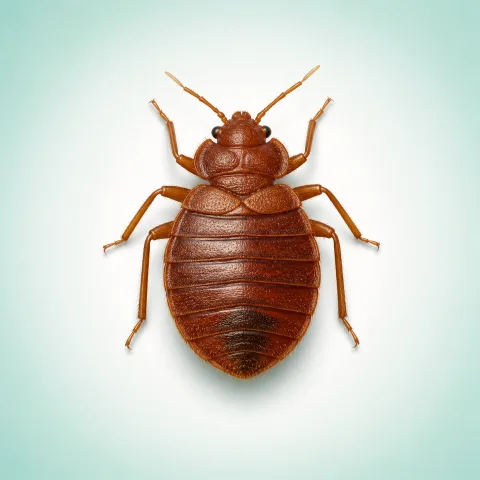
Bed bug treatment in Columbia usually costs $300 to $600 per room for heat, $200 to $400 per room for a chemical program, and $1,200 to $2,500 or more to heat a whole house. That is a wide spread. Where you land depends mostly on one thing: how many rooms the bugs have reached by the time somebody looks.
On this page
What bed bug treatment costs in Columbia, SC
Bed bug treatment in Columbia is priced per room or per house after an inspection, and the method sets most of the number. Heat is the pricier one-day option; chemical is cheaper but takes two or three visits.
| Service | Typical Columbia range | What you get |
|---|---|---|
| Inspection | $0 to $150 | Often credited toward treatment |
| Chemical treatment | $200 to $400 / room | Two to three visits, residual protection |
| Heat treatment | $300 to $600 / room | One-day kill, eggs included |
| Whole-home heat | $1,200 to $2,500+ | Priced by square footage |
These are typical market ranges, not a quote. Your price is set by the local provider after an inspection.
What another month of waiting looks like in your bedroom
A bed bug problem left alone for a month gets bigger, and it grows in the exact spot where you sleep. Clemson's Home and Garden Information Center puts a fed female at one to five eggs a day and 200 or more over her life, laid on rough, protected surfaces like cracks and seams.
So picture the night. You click off the lamp, the AC hums through another sticky Midlands August, and in the piping of the mattress a few inches from your shoulder, flat little bugs start walking toward the warmth. You feel nothing. Clemson HGIC says the bite is not painful and you usually do not notice it. What you get is the morning: a row of itchy welts on your forearm, a rusty speck on the pillowcase, and eventually a sweet, musty smell in the room you cannot place. Then your youngest sleeps in your bed "just for tonight," carries a couple back down the hall, and one room becomes two.
Starving them out does not work. Clemson HGIC notes adult females can go more than 150 days without feeding, so two weeks at Lake Murray just means they are hungry when you unpack. Rent near USC? The bugs ignore lease lines, which is why the EPA tells renters to notify the landlord.
What moves a Columbia bed bug quote up or down
The number of infested rooms is the biggest driver of a bed bug quote in Columbia, well ahead of the size of the house. One bedroom caught early is a short job. Three bedrooms plus the couch where everyone watches the Gamecocks is a whole-home conversation. The rest comes down to:
- Method. Heat costs more up front and finishes in a day. Chemical costs less and needs return visits. Our bed bug treatment page compares the two in detail.
- Clutter. The EPA counts clutter among the factors that decide success. More hiding places, more labor.
- Shared walls. Apartments and duplexes can mean treating next door too.
- Whether it is bed bugs at all. The EPA warns many insects look like bed bugs, and bites alone prove nothing. Columbia mosquitoes leave plenty of welts that get blamed on the bed.
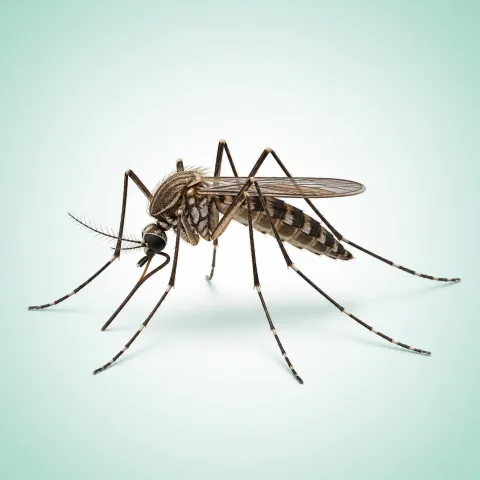
Not every itchy welt is a bed bug. Find the bug, spots or shed skins first.
What you can do yourself before you pay anyone
Most useful bed bug work costs you a Saturday, and every step below also makes a professional treatment work better later. The list follows the EPA's do-it-yourself bed bug guidance.
- Catch one first. Bag a specimen. The EPA notes extension agents identify pests at no cost, so your Clemson Extension county office can confirm it free.
- Dry, do not just wash. Bedding and nearby clothes go through the dryer on high heat, then into sealed clean bags.
- Freeze small items properly. The EPA says three days in a sealed bag at 0°F, and many kitchen freezers run warmer, so use a thermometer.
- Steam the seams. Mattress piping, frame joints and baseboards, at 130°F or hotter, with a diffuser so bugs do not scatter.
- Vacuum, then evict the bag. Seal it and take it straight to the outdoor can.
- Encase the mattress and box spring. Sealed covers trap bugs inside until they die.
- Make interceptors. Two nested deli containers, masking tape on the outside, a dusting of talcum powder, one under each bed leg. Pull the bed off the wall and keep sheets off the floor.
- Caulk the cracks near the bed with silicone to take away hiding places.
Now the don'ts, and I mean these. Do not crank the thermostat or haul in a propane heater to cook them out; the EPA says it does not work and is dangerous. Rubbing alcohol, kerosene and gasoline can ignite. And that bug bomb on the store shelf? The EPA says fogger spray will not reach the cracks where bed bugs hide.
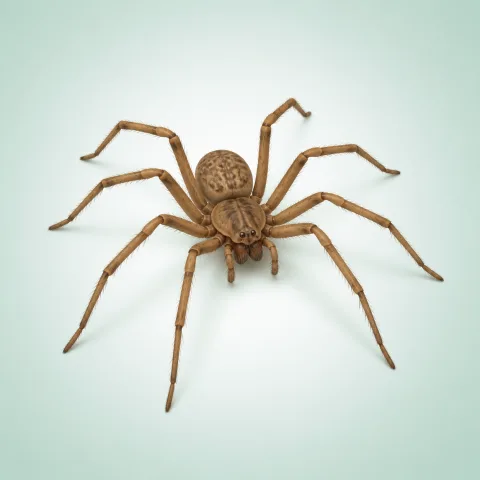
Spiders get blamed for bites too. A bagged specimen settles it.
When DIY is not enough: five signs to stop and call
DIY is not enough once bed bugs have spread past the one bed you have been treating, and these five signs say it plainly:
- A second room. Bugs, black spots or shed skins in another bedroom or on the couch.
- They keep coming back. Fresh bites or bugs in your interceptors after a thorough cleanup, which the EPA reads as missed bugs or newly hatched eggs.
- Bugs in the structure. Clemson HGIC lists hiding spots behind molding and in cracks in hardwood floors. Those do not fit in a dryer.
- Shared walls. You rent, and the unit next door has them too.
- You cannot do the prep. Too much clutter, or nobody in the house who can steam and vacuum for days.
Recognize your house in that list? Then a call is the sensible next step, not a panic button. Dial (866) 203-9397 and Palmetto Pest Co connects you with a licensed local provider covering your Columbia ZIP code, who can price your case on the call, free and with no obligation to book. Same-day and 24/7 emergency services are subject to provider participation, location, technician availability, and demand. Availability is not guaranteed and may vary by market and appointment capacity. Before work starts, ask for the provider's South Carolina applicator license, since the Clemson Department of Pesticide Regulation licenses commercial applicators here.
And breathe. Bed bugs hitchhike in luggage and secondhand furniture; they are not a verdict on how clean you keep house. Clemson HGIC says they have not been proven responsible for any serious disease outbreaks, so this is a sleep and money problem, not a medical one. Caught at a room or two, most Columbia cases end in one heat day or a few chemical visits. The full local price list lives on the Columbia services and cost page.
Columbia bed bug cost FAQ
How much does bed bug treatment cost in Columbia, SC?
Bed bug heat treatment in Columbia typically runs $300 to $600 per room, chemical treatment $200 to $400 per room over two or three visits, and heating a whole house $1,200 to $2,500 or more. The number of infested rooms moves the price more than anything else. These are typical market ranges, not a quote, and the licensed local provider sets your price after an inspection.
Is heat treatment for bed bugs worth the extra cost?
Heat treatment is worth the extra cost when you need bed bugs gone in one day, because it kills every life stage, eggs included, in a single visit. Chemical treatment costs less per room and leaves residual protection, but it takes two or three visits spaced weeks apart. For one room caught early in a Columbia home, either method can work, and the provider will say which fits your case.
Can I get rid of bed bugs without an exterminator?
A small bed bug problem caught in one bed can sometimes be handled at home using the EPA's do-it-yourself steps: dryer on high heat, steam of at least 130 degrees, sealed mattress encasements, interceptor traps and careful vacuuming. The EPA says treatment can take weeks to months and may need repeating. Bugs in more than one room, or still turning up after a thorough cleanup, usually need a licensed provider.
Will bed bugs die if I leave the house empty for a few weeks?
No, leaving a house empty for a few weeks will not starve bed bugs. Clemson's Home and Garden Information Center notes that adult females can survive more than 150 days without a blood meal, so a vacation or a stay with relatives only means they are hungry when you come back, and you risk carrying some along in your bags.