Mosquito control in Columbia, South Carolina
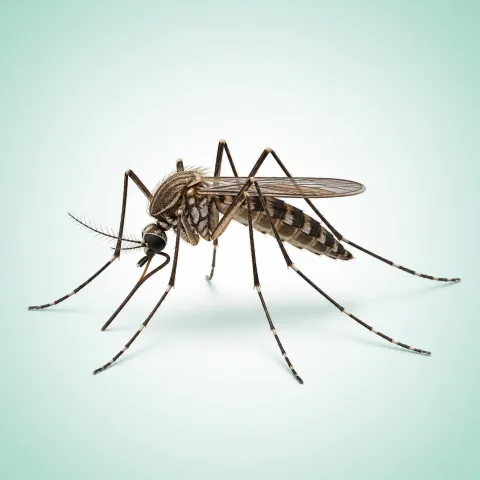
Mosquitoes in Columbia, South Carolina thrive on the two things the Midlands supplies in abundance, standing water and a long, humid warm season. This page explains why local yards get overrun, how a professional barrier and larvicide program works, what it costs, and how to get a free price on the call from a licensed Columbia-area pro.
On this page
Why is mosquito season in Columbia so long?
Mosquito season in Columbia typically runs from March or April into October because the Midlands climate is humid subtropical, with hot summers, frequent afternoon storms and mild shoulder seasons. The city's geography does not help: the Congaree, Broad and Saluda rivers, retention ponds, drainage ditches and heavily shaded older neighborhoods all hold the moisture mosquitoes need.
The mosquitoes that bother Columbia homeowners most are container breeders. They do not need a swamp; a bottle cap of water that stands for about a week is enough to produce a new generation. That is why one neglected birdbath or clogged gutter can keep a whole yard miserable even after a treatment.
Are Columbia mosquitoes dangerous or just annoying?
Most mosquito bites in Columbia are a nuisance rather than a health emergency. The honest caveat is West Nile virus: it is detected in South Carolina mosquito populations most years, and the state reports human cases, usually in late summer. The risk from any single bite is low, but it is not zero, and older adults and people with weakened immune systems face more serious outcomes when infection does occur. Mosquitoes in the area can also transmit heartworm to dogs. None of this calls for alarm, just for fewer bites, which is what source reduction and a treated yard deliver.
How a professional mosquito yard program works
A professional mosquito program in Columbia combines two tools, a residual barrier treatment and larvicide, applied on a recurring schedule through the season.
Barrier treatment
The provider applies a residual insecticide to the places adult mosquitoes rest during the day: the undersides of leaves, dense shrubs, ivy beds, fence lines and shaded foundation plantings. Mosquitoes that land on treated foliage are killed, which steadily thins the population rather than just clearing the air for an evening. A barrier application typically keeps working for about 21 to 30 days, which sets the visit rhythm for seasonal plans.
Larvicide for water you cannot drain
For standing water that cannot simply be dumped, such as a drainage ditch, a koi pond edge or a low spot that never dries, the provider uses larvicides, often biological products that kill mosquito larvae before they ever fly. Treating the water is the highest-leverage step in the whole program.
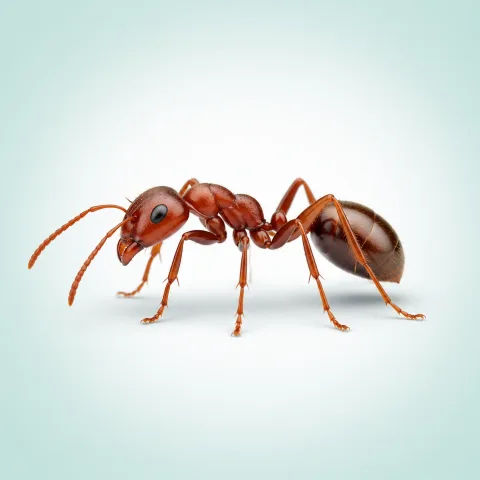
Booking a yard visit anyway? Columbia yards rarely have just one outdoor pest. If mounds have appeared in the lawn, it is worth mentioning them on the same call, since Fire ant control is often handled by the same local providers and can be quoted together.
Source reduction: drain the nursery first
Source reduction means removing the standing water where Columbia mosquitoes breed, and it is the one part of mosquito control a homeowner can do free. Walk the yard once a week after rain and empty or fix:
- Clogged gutters, the most commonly missed breeding site on Midlands homes.
- Plant saucers, buckets and toys that catch rain and irrigation water.
- Birdbaths and pet bowls, refreshed every few days rather than topped up.
- Tarp folds, trash can lids and wheelbarrows left face up.
- Corrugated downspout extensions, which hold water in every ridge.
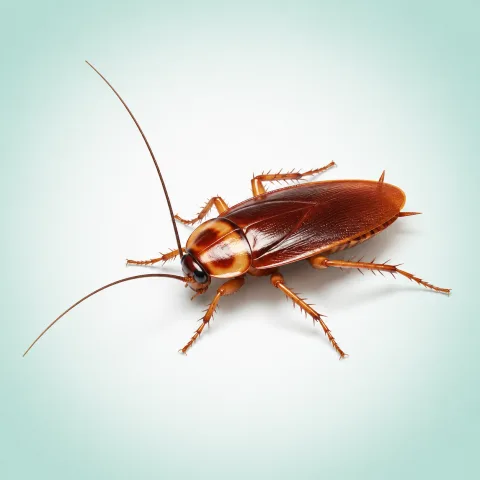
Wet mulch against the foundation and overflowing gutters are standing invitations for the giant roaches locals know too well, covered separately under Palmetto bug control. Fixing drainage often improves both problems at once.
Can a Columbia yard actually be mosquito-free?
A truly mosquito-free yard in Columbia is not a promise any honest company makes, but an 80 to 90 percent drop in bites is a realistic outcome of a full program, and that is the difference between fleeing the patio at dusk and finishing dinner outside. The Midlands works against you here: long warm seasons, afternoon storms that refill every saucer and gutter, and neighbors whose bird baths you cannot drain. What closes the gap is running all three layers at once, the barrier treatment on resting foliage, larvicide in the water you cannot remove, and the source reduction walk that empties the water you can. Our guide to mosquito season in the Midlands turns that walk into a weekly checklist and rates the popular yard gadgets against the research.
The same yard program runs across the Midlands, including Irmo, Lexington and West Columbia, with the price and schedule set by the local provider on the call.
What mosquito control costs in Columbia
A single mosquito barrier treatment in the Columbia area typically runs from about $60 to $120, with yard size, vegetation density and access setting the price. Most homeowners choose a seasonal plan, which repeats the visit every three to four weeks from spring through fall and usually costs less per treatment.
| Service | Typical Columbia range | Notes |
|---|---|---|
| Single barrier treatment | $60 to $120 | Depends on yard size and vegetation |
| Seasonal plan (spring to fall) | $350 to $700 / season | Visits every 3 to 4 weeks |
| Larvicide for standing water | Often included | Quoted with the program if extensive |
These are typical market ranges, not a quote. Your price is set by the local provider after they see the yard.
How to get a Columbia mosquito quote
Call the number on this page, describe the yard and where in the Midlands you are, and you get a price and a scheduling window on the call. Palmetto Pest Co is a free referral service that connects you with a licensed local provider covering your ZIP code; whether you book with them is entirely up to you, with no obligation either way. Pesticide applicators in South Carolina are licensed through the Clemson University Department of Pesticide Regulation, and you can ask any provider for their license number before work begins. Same-day and 24/7 emergency services are subject to provider participation, location, technician availability, and demand. Availability is not guaranteed and may vary by market and appointment capacity.
Columbia mosquito FAQ
When does mosquito season start in Columbia, SC?
Mosquito season in Columbia usually begins in March or April, once overnight temperatures stay above about 50 degrees, and it runs into October and sometimes later. The long, humid Midlands summer is why seasonal programs here schedule treatments roughly every three to four weeks.
How much does mosquito control cost in Columbia?
A single mosquito barrier treatment in the Columbia area typically runs from about $60 to $120 depending on yard size and vegetation. Most homeowners choose a seasonal plan that repeats treatments from spring through fall, which is usually the better value per visit. A quote on the call is free and carries no obligation.
Do Columbia mosquitoes carry West Nile virus?
West Nile virus is detected in South Carolina mosquitoes most years, and human cases are reported in the state, so the risk is real but low for any single bite. Most Columbia mosquito bites are only a nuisance. Reducing bites through source reduction and yard treatment lowers whatever risk exists.
How long does a mosquito barrier treatment last?
A residual barrier treatment typically keeps working for about 21 to 30 days before it needs to be reapplied. Heavy rain, irrigation and intense summer heat can shorten that window, which is why Columbia programs are usually scheduled every three to four weeks during the season.
Can I get rid of mosquitoes myself?
You can cut mosquito numbers noticeably by dumping standing water every few days, but do-it-yourself foggers only knock down the adults present at that moment. Professional programs add a residual barrier on resting foliage and larvicide for water that cannot be drained, which is what keeps pressure down between visits.
Can my yard be completely mosquito-free in Columbia?
No yard in Columbia stays at absolute zero, because mosquitoes fly in from surrounding properties and the Midlands climate breeds them most of the year. A full program of barrier treatment, larvicide and source reduction typically cuts bites by 80 to 90 percent, which most homeowners experience as getting their evenings back.