Ant control in Columbia, South Carolina
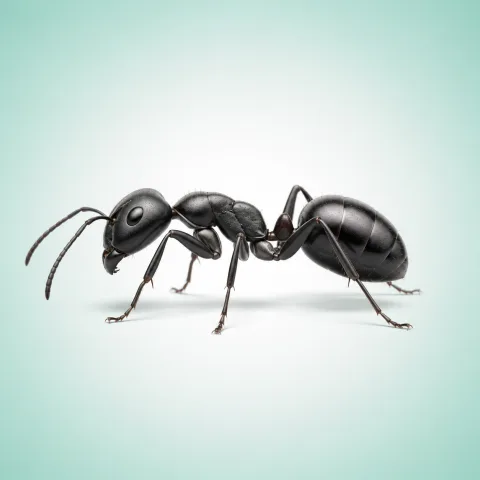
Ants inside a Columbia, South Carolina home are almost always one of two problems: odorous house ants trailing to the kitchen, or carpenter ants nesting in damp wood. This page covers how to tell them apart, why baiting beats spraying, what treatment costs, and how to get a free price on the call from a licensed Columbia-area pro. Fire ant mounds in the yard are a separate job, covered under Fire ant control, and our guide to fire ant mound treatment that actually works covers the DIY side.
On this page
What are the tiny ants trailing through my Columbia kitchen?
The small dark ants marching across Columbia counters are most often odorous house ants, named for the rotten-coconut smell they release when crushed. They nest in wall voids, under slabs and beneath mulch against the foundation, and they surge indoors after heavy summer rain or during dry spells, following moisture and anything sweet.
What makes these ants frustrating is colony structure: one infestation can involve multiple nests and multiple queens, linked by scent trails that run from the yard to your pantry. Wiping up a trail removes the scouts, not the network that sent them.
Carpenter ants: the ants that damage wood
Carpenter ants are the one household ant in Columbia that damages the structure itself. They are much larger than house ants, usually black and up to half an inch long, and they excavate smooth nesting galleries in wood, pushing out little piles of sawdust-like frass. In the humid Midlands they favor wood that is damp or already softened: bathroom framing behind a slow leak, deck posts, window sills and roof edges under failed flashing.
Damage builds more slowly than termite damage, but an established colony still weakens the wood it occupies, and its presence usually points to a moisture problem worth fixing anyway. Winged carpenter ants indoors in spring, or faint rustling in a wall at night, point to a nest inside the structure.
Carpenter ant or termite? Getting this right matters
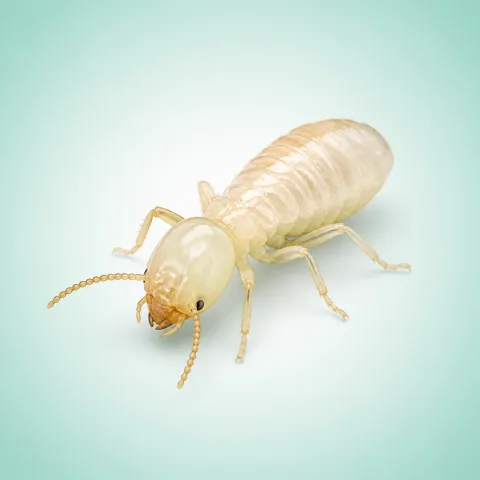
Distinguishing carpenter ants from termites matters because the treatments and the stakes differ, and both swarm in Columbia in spring. The quick checks: ants have a pinched waist, bent antennae and front wings longer than the back pair; termite swarmers have a thick waist, straight antennae and four equal-length wings. The wood tells the same story, carpenter ant galleries are smooth and clean with frass dumped outside, while termite galleries are rough and packed with mud.
If you see mud tubes, stop reading this page. Pencil-width soil tunnels on a foundation or crawl-space pier mean subterranean termites, not ants, and the clock matters more. See Termite control, or simply say "possible termites" on the call so the right inspection gets scheduled.
Why professionals bait ants instead of spraying them
Baiting is the core of professional ant control in Columbia because it kills the colony, not just the trail. Slow-acting bait is placed along the routes the ants already use; workers carry it home and share it through the colony, reaching the queens and brood that no surface spray ever touches, and within days to a couple of weeks the colony collapses.
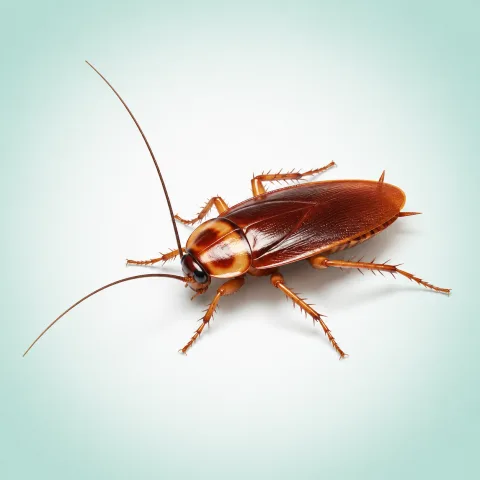
Repellent sprays from the hardware store often make odorous house ants worse: the alarmed colony responds by budding into several new colonies, so one kitchen trail becomes three. A professional visit instead combines species identification, gel and granular baits matched to what the colony is feeding on, a non-repellent treatment of exterior trails and entry points, and advice on the moisture and food sources that drew the ants in. For carpenter ants, the provider also locates and treats the nest wood and flags the leak behind it. Sealing the same entry gaps and fixing the dampness also deters other humidity-driven invaders, including the big roaches covered under Palmetto bug control.
What ant control costs in Columbia
A one-time ant service in the Columbia area typically runs from about $150 to $400, depending on home size and whether carpenter ants are nesting in the structure. Because trailing ants re-invade from the yard, many homeowners keep results with a quarterly plan at roughly $40 to $70 per visit.
| Service | Typical Columbia range | Notes |
|---|---|---|
| One-time ant service | $150 to $400 | Baiting, non-repellent perimeter, follow-up |
| Quarterly maintenance | $40 to $70 / visit | Keeps re-invading colonies out |
| Carpenter ant nest treatment | Toward the higher end | Depends on nest access and moisture repairs |
These are typical market ranges, not a quote. Your price is set by the local provider after an inspection.
How to get a Columbia ant control quote
Call the number on this page, describe the ants you are seeing, where they trail and where in the Midlands you are, and you get a price and a scheduling window on the call. Palmetto Pest Co is a free referral service that connects you with a licensed local provider covering your ZIP code; whether you book with them is entirely up to you, with no obligation either way. Pesticide applicators in South Carolina are licensed through the Clemson University Department of Pesticide Regulation, and you can ask any provider for their license number before work begins. Same-day and 24/7 emergency services are subject to provider participation, location, technician availability, and demand. Availability is not guaranteed and may vary by market and appointment capacity.
Columbia ant FAQ
What kind of ants are in my Columbia kitchen?
The tiny dark ants trailing across Columbia counters are most often odorous house ants, named for the rotten-coconut smell they give off when crushed. They nest in wall voids and under slabs, follow moisture and sweets, and split their colonies when disturbed, which is why repellent sprays tend to make them worse.
Do carpenter ants damage homes in South Carolina?
Yes. Carpenter ants excavate galleries in damp or previously damaged wood to nest in, and the humid Midlands climate gives them plenty of softened sills, deck posts and bathroom framing to work with. They tunnel rather than eat the wood, so damage builds more slowly than termite damage, but an established colony still weakens the wood it occupies.
How do I tell carpenter ants from termites?
Carpenter ants have a pinched waist, bent antennae and, on swarmers, front wings longer than the back pair, while termites have a thick waist, straight antennae and four equal-length wings. Carpenter ant galleries are smooth and clean with sawdust piles pushed outside; termite galleries are rough and packed with mud.
Why does spraying ants seem to make them worse?
Repellent sprays kill the workers you see but alarm the colony, and odorous house ants respond by budding, splitting one colony into several new ones in fresh locations. Baiting works the opposite way: slow-acting bait is carried back and shared until the colony itself collapses, including the queens the spray never touched.
How much does ant control cost in Columbia?
A one-time ant service in the Columbia area typically runs from about $150 to $400 depending on home size and how established the colonies are. Quarterly follow-up plans usually cost $40 to $70 per visit. Carpenter ant work can price toward the higher end when nests are inside structural wood. A quote on the call is free.