Palmetto bug control in Columbia, South Carolina
The palmetto bug is the unofficial state pest of South Carolina, and Columbia's humidity keeps it thriving in every neighborhood from Shandon to Irmo. This page explains what a palmetto bug actually is, why it shows up in clean homes, why sprays never end the problem, and how to get a free price on the call from a licensed Columbia-area pro.
Not sure it is a palmetto bug? The side-by-side pictures in our palmetto bug vs cockroach guide tell the big outdoor roaches from the small German kitchen roach in ten seconds, and the two need different treatments.
On this page
What a palmetto bug actually is
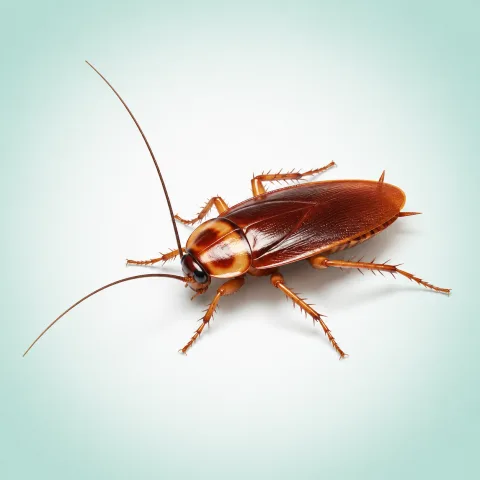
A palmetto bug is a cockroach. In Columbia the name almost always refers to the American cockroach, a reddish-brown insect up to two inches long, or its close cousin the smokybrown cockroach, which is slightly smaller and a darker mahogany color. "Palmetto bug" is Southern slang, not a species: generations of South Carolinians found these roaches sheltering under palmetto fronds and preferred a politer name for the thing flying across the porch. Both species live primarily outdoors, both fly in warm weather, and both wander indoors when heat, drought or heavy rain pushes them out of their usual harborage.
The distinction matters because palmetto bugs behave differently from the small German cockroach that infests kitchens. German roaches live their whole lives indoors and multiply beside food; palmetto bugs live in the landscape, the sewer system and the crawl space, and treat your living room as a rest stop. Controlling them means working on the outside of the home first, which is exactly the part a can of indoor spray never touches.
The American cockroach: up to two inches long, reddish brown, with a pale figure-eight marking behind the head.
Why palmetto bugs are everywhere in Columbia and the Midlands
Columbia gives the palmetto bug everything it needs to thrive: long humid summers, mild winters that rarely kill overwintering populations, and yards full of pine straw, hardwood mulch and leaf litter that hold moisture at ground level. The Midlands' mature oak canopies shelter smokybrown cockroaches in tree holes and gutters, while the municipal sewer and storm-drain network gives American cockroaches a protected highway under every street. Older homes in Shandon, Rosewood, Earlewood and Forest Acres add unsealed crawl spaces and settled foundations to the mix, and newer construction in Lexington, Irmo and Northeast Columbia backs up to woods and retention ponds that supply a constant outdoor population.
Weather drives the indoor sightings. In a dry stretch, palmetto bugs come inside hunting water; after a heavy Midlands thunderstorm, they come inside because their burrows and drain lines flooded. That is why sightings spike in July and August and after tropical-storm rain, and why a sudden indoor appearance says more about the weather than about your home. To trace which trigger sent yours indoors and which gap it used, our guide on why palmetto bugs come inside matches each one to its fix.
A palmetto bug is not a sign of a dirty home
Seeing a palmetto bug does not mean your house is dirty, and any honest pest professional in Columbia will tell you so. These insects breed outdoors in mulch beds, tree cavities and sewers; the one on your bathroom wall at midnight walked or flew in from that outdoor population, and it would have done the same in the tidiest house on the street. Sanitation still matters at the margins, because open pet food, sink crumbs and unrinsed recycling give a wanderer a reason to stay. But the honest framing is this: cleanliness decides whether a palmetto bug lingers, while the habitat around your foundation decides whether one arrives. Treatment has to address the second part, which no amount of scrubbing can.
How palmetto bugs get inside
Palmetto bugs enter Columbia homes through a predictable set of openings, and an adult can flatten through a gap about the height of a quarter:
- Door thresholds and garage doors with worn sweeps or daylight showing at the corners.
- Gaps around pipes, spigots and cable penetrations where the sealant has cracked.
- Crawl-space and attic vents with torn or missing screens; smokybrowns in particular drop in from trees onto the roofline.
- Floor drains and infrequently used plumbing, because a dry P-trap opens a direct path from the sewer.
- Firewood, boxes and potted plants carried in from outside with an insect already aboard.
The health and allergy question, honestly
Palmetto bugs are not dangerous the way stinging insects are: they do not bite defensively, and a single wanderer crossing the floor is a nuisance, not a health event. The honest concern is indirect. American cockroaches travel through sewers and decaying organic matter and can carry bacteria such as Salmonella onto counters and utensils, and cockroach droppings, shed skins and body fragments are a well-documented asthma and allergy trigger, particularly for children in homes with an ongoing population. The practical line for Columbia homeowners: an occasional intruder from outside is normal here, while frequent sightings, roaches in daytime or droppings in cabinets mean an established population worth treating for health reasons as much as comfort.
Why DIY sprays fail against palmetto bugs
Store-bought spray fails because it treats the insect instead of the source. The palmetto bug you kill tonight came from a breeding population in the mulch, the crawl space, a tree hole or the sewer line, and that population sends a replacement within days. Foggers are worse than useless for this pest: they scatter roaches deeper into wall voids and never reach outdoor harborage at all. Sticky traps catch a few travelers but do not change the pressure on the house. Homeowners commonly spend a summer and a shelf of products on palmetto bugs, and the sightings continue, because the colony producing them was never on the label.
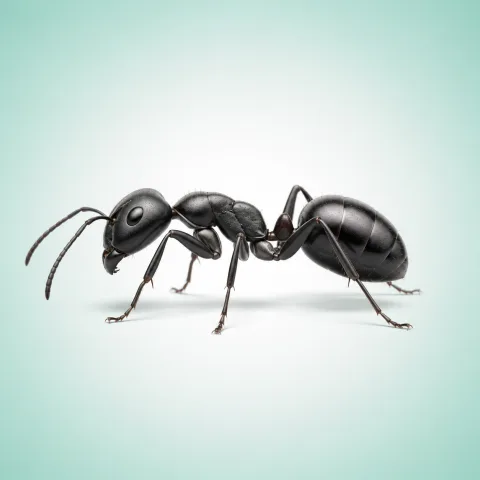
Scale check: household ants measure a few millimeters, while a palmetto bug approaches two inches. If it seems too big to be a roach, in Columbia it is probably still a roach.
What professional palmetto bug treatment involves
Professional palmetto bug control works from the outside in, and a licensed Columbia-area provider typically combines several steps in one program:
- Inspection to find harborage: mulch beds against the foundation, crawl-space moisture, tree contact with the roof, drain and sewer access points.
- Exterior barrier treatment, a residual application around the foundation, entry points and weep holes that intercepts roaches before they get inside.
- Harborage treatment with granular bait or dust in mulch, landscape beds, crawl spaces and other breeding sites, which reduces the population instead of just blocking it.
- Targeted interior work in garages, under sinks and in wall voids where activity is confirmed, using baits and dusts rather than broadcast spraying.
- Exclusion advice or service: door sweeps, vent screens and sealed penetrations that close the routes found during inspection.
Expect honesty about timelines. Heavy pressure around a wooded Columbia lot sometimes takes more than one visit to knock down, and most providers recommend a quarterly exterior service afterward because the outdoor population that produced the problem is permanent in this climate. A one-time knockdown is realistic; a one-time permanent cure in the Midlands is not, and a provider who promises one is overselling.
Prevention that actually helps
Prevention for palmetto bugs is moisture and access control, and these steps genuinely reduce pressure on a Columbia home:
- Pull mulch and pine straw back so a visible strip of bare ground separates it from the foundation.
- Fix crawl-space moisture: working vents or encapsulation, a vapor barrier, and gutters that drain away from the house.
- Trim tree limbs and shrubs off the roof and siding, since smokybrowns use them as bridges.
- Install door sweeps, repair vent screens and seal pipe penetrations with sealant or copper mesh.
- Run water in unused drains monthly so P-traps stay sealed, and store firewood off the ground away from the house.
What palmetto bug control costs in Columbia
Palmetto bug treatment in the Columbia area typically runs from about $150 to $400 for a one-time service, with quarterly maintenance plans commonly at $40 to $70 per visit. The price a provider quotes depends on home size, crawl-space condition, the severity of activity and whether exclusion work is included. If you want the numbers broken out service by service, including why a German cockroach job costs more than this one, see our guide to cockroach treatment cost in Columbia, SC.
| Service | Typical Columbia range | Notes |
|---|---|---|
| One-time palmetto bug treatment | $150 to $400 | Interior plus exterior barrier |
| Quarterly pest plan | $40 to $70 / visit | Maintains the exterior barrier year round |
| Initial visit on a quarterly plan | $100 to $250 | First knockdown service, often discounted |
These are typical market ranges, not a quote. Your price is set by the local provider after seeing the home.
How to get a Columbia palmetto bug quote
Call the number on this page, describe what you are seeing and your part of the Midlands, and you get a price and a scheduling window on the call. Palmetto Pest Co is a free referral service: we connect you with a licensed local provider covering your ZIP code, and you decide with no obligation whether to book. Same-day and 24/7 emergency services are subject to provider participation, location, technician availability, and demand. Availability is not guaranteed and may vary by market and appointment capacity. Pest control providers in South Carolina are licensed through the Clemson University Department of Pesticide Regulation, and you can ask any provider for their license number and verify it before work begins.
Columbia palmetto bug FAQ
What is a palmetto bug, exactly?
A palmetto bug is the Southern name for a large outdoor cockroach, in Columbia almost always the American cockroach or the smokybrown cockroach. It is not a separate species; the nickname comes from the insects' habit of sheltering under palmetto fronds and other landscape cover across South Carolina.
Does seeing palmetto bugs mean my house is dirty?
No. Palmetto bugs live outdoors in mulch, pine straw, trees and sewers, and they wander into even spotless Columbia homes hunting moisture and shelter. A clean kitchen removes easy food, which helps, but it does not remove the humid Midlands habitat around the foundation that produced the insect in the first place.
How do palmetto bugs get into Columbia homes?
Palmetto bugs enter through gaps under doors, tears in weather stripping, openings around pipes and cables, attic and crawl-space vents, and dry floor drains. An adult American cockroach can flatten itself through a gap about the height of a quarter, so ordinary construction gaps are wide open doors to it.
How much does palmetto bug treatment cost in Columbia?
A one-time palmetto bug treatment in the Columbia area typically runs from about $150 to $400, and quarterly plans that keep the barrier maintained commonly run $40 to $70 per visit. These are typical market ranges, not a quote; the licensed local provider sets your exact price after seeing the home, and the quote on the call is free.
Why do palmetto bugs keep coming back after I spray?
Store-bought sprays kill the individual palmetto bug you see but do nothing about the population living in mulch, crawl spaces and sewers around the home, so replacements keep wandering in. Professional treatment works on the source: an exterior barrier, treatment of harborage areas and sealing of entry points, which is why it holds when a can of spray does not.
Are palmetto bugs dangerous?
Palmetto bugs do not bite or sting in any meaningful way, but they can carry bacteria from sewers and decaying matter onto surfaces, and cockroach debris is a recognized asthma and allergy trigger, especially for children. A single wanderer is not a health emergency; a steady indoor population is worth taking seriously.