Fire ant control in Columbia, South Carolina
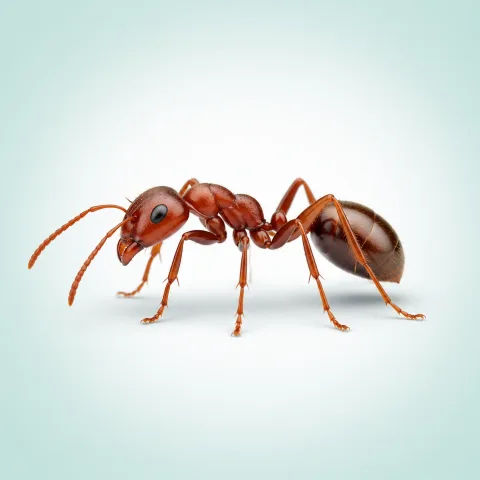
Red imported fire ants own more of the average Columbia yard than the homeowner does, and every summer storm seems to raise a fresh crop of mounds. This page explains why the mounds keep multiplying, the honest truth about sting risks, why treating mounds one at a time backfires, and how to get a free price on a whole-yard program from a licensed Columbia-area pro.
On this page
Fire ants are established across the Midlands
The red imported fire ant is established in every county of South Carolina, and the Columbia area's warm climate and open, sunny lots suit it perfectly. This is an invasive species that arrived from South America through Gulf ports in the 1930s and spread across the Southeast; it displaced most native ants along the way and has no serious natural enemies here. A single mature colony holds up to a few hundred thousand workers, and an infested Midlands lawn commonly carries dozens of colonies per acre. Fire ants favor exactly the places families use: lawns, playgrounds, sports fields, garden beds and the sunny strip along the driveway, which is why they rank among the most complained-about pests in Columbia, Lexington, Irmo and Blythewood yards.
Disturb a mound and workers boil out within seconds, climbing anything that touches it. That swarm-and-sting response is what makes fire ants a family hazard, not just a lawn problem.
Why fire ant mounds appear after rain
Fire ant mounds appear after rain because the colonies were already there and the storm flooded them. A fire ant colony lives in a network of tunnels that can reach several feet underground; when Midlands rain saturates the soil, the ants move the brood up and push wet soil to the surface, building the loose, fluffy domes you notice a day or two later. The rain did not deliver new ants to your yard, it made the resident population visible. That is why mound counts jump every spring and after summer thunderstorms, and why a yard that looks clean during a dry August can produce a dozen mounds the week after a tropical system passes through Columbia. Fresh mounds are also when colonies are closest to the surface, which makes the days after rain a productive window for treatment.
The sting risk, honestly
A fire ant sting hurts immediately, a sharp burning that gives the ant its name, and each sting typically forms an itchy white pustule within a day that lasts about a week. Fire ants attack in numbers: workers swarm onto whatever disturbs the mound and sting repeatedly, so a child who stands on a mound for a few seconds can take dozens of stings. For most people the result is painful and itchy but not medically serious, and scratching the pustules open is the main infection risk.
When stings need a doctor. A small percentage of people are allergic to fire ant venom, and a serious reaction can develop fast. Seek medical care promptly for hives beyond the sting area, swelling of the face or throat, trouble breathing, nausea or dizziness after fire ant stings, and treat a large number of stings on a small child or an older adult as worth a medical call even without allergy symptoms. This is general information, not medical advice.
Why mound-by-mound DIY fails
Treating fire ant mounds one at a time fails for reasons built into the ant's biology, not because homeowners do it wrong. The visible mound is a small part of a colony whose tunnels extend well beyond it, so drench products often miss the queen entirely. Many Columbia-area colonies are polygyne, meaning they hold multiple queens, and killing some queens leaves the colony functional. Worst of all, a disturbed colony often buds: survivors split off with a queen and relocate a few yards away, so an attack on one mound can literally produce two or three new ones. Boiling water, grits, gasoline and similar folk remedies fare even worse, damaging the lawn and creating hazards without reaching the queens. A season of spot-treating mounds usually ends where it began, with a yard full of mounds and money spent. If you want to try it yourself the right way first, our fire ant mound treatment guide walks through bait timing, the potato chip test and which home remedies to skip.

Not every ant in a Columbia yard is a fire ant. Ordinary household ants trail indoors and do not sting; fire ants build soil mounds in open sun and swarm when disturbed. The treatment for each is different, which is another reason identification comes before product.
What a professional two-step yard program involves
Professional fire ant control treats the whole yard, not individual mounds, using a two-step approach that agricultural extension programs across the South have validated for decades:
- Step one: broadcast bait. The provider spreads a granular bait across the entire lawn. Foraging workers carry it into every colony, visible or not, and feed it to the queens, collapsing colonies from the inside over one to several weeks. Broadcasting is the step DIY skips, and it is the step that gets the colonies you cannot see.
- Step two: mound treatment. Individual problem mounds near doors, patios, play areas and mailboxes get a direct treatment for fast knockdown while the bait works through the rest of the yard.
Timing and product choice matter, which is a genuine part of the value. Bait goes down when ants are actively foraging and no heavy rain is expected, and providers can also apply longer-residual granular products that keep a lawn protected for many months. Expect honest limits: fire ants reinfest from neighboring land during mating flights, so most Columbia providers recommend one to two applications per year rather than promising a permanent cure. A provider who guarantees your yard will never see another mound is overselling; one who quotes a maintenance schedule is telling the truth.
What fire ant control costs in Columbia
A professional fire ant yard treatment in the Columbia area typically runs from about $100 to $300 per visit for an average residential lot, and annual or season-long programs commonly run $300 to $700 per year. Lot size drives the price more than anything else, since bait and granular products are applied across the whole yard.
| Service | Typical Columbia range | Notes |
|---|---|---|
| Single yard treatment | $100 to $300 | Broadcast bait plus mound treatment |
| Annual fire ant program | $300 to $700 / year | One to two applications, larger lots higher |
| Add-on to a quarterly pest plan | $50 to $150 / application | When bundled with general pest service |
These are typical market ranges, not a quote. Your price is set by the local provider after seeing the yard.
How to get a Columbia fire ant quote
Call the number on this page, describe your yard and how many mounds you are seeing, and you get a price and a scheduling window on the call. Palmetto Pest Co is a free referral service: we connect you with a licensed local provider covering your ZIP code, and you decide with no obligation whether to book. Same-day and 24/7 emergency services are subject to provider participation, location, technician availability, and demand. Availability is not guaranteed and may vary by market and appointment capacity. Pest control providers in South Carolina are licensed through the Clemson University Department of Pesticide Regulation, and you can ask any provider for their license number and verify it before work begins. If children or pets use the yard, mention it on the call so the provider selects products and re-entry timing accordingly.
Columbia fire ant FAQ
Why do fire ant mounds appear after rain?
Fire ant colonies live underground year round, and rain floods their tunnels, so the ants push soil upward into the fresh mounds you see a day or two after a storm. The rain did not bring new colonies to your Columbia yard; it made the colonies that were already there visible.
Are fire ant stings dangerous?
Fire ant stings cause an immediate burning pain followed by itchy white pustules that last about a week, and for most people that is the extent of it. A small percentage of people have serious allergic reactions, and dozens of stings at once can be a medical concern for anyone. Seek medical care promptly for hives, swelling beyond the sting site, trouble breathing or dizziness after stings.
Why does treating fire ant mounds one at a time not work?
Mound-by-mound treatment fails because the visible mound is only part of the colony, many Columbia colonies have multiple queens, and a disturbed colony often splits and relocates, a behavior called budding. Killing one mound frequently produces two or three new ones nearby, which is why a whole-yard program outperforms spot treatment.
What does professional fire ant treatment cost in Columbia?
A professional fire ant yard treatment in the Columbia area typically runs from about $100 to $300 per visit for an average lot, and season-long or annual programs with granular broadcast products commonly run $300 to $700 per year depending on yard size. These are typical market ranges, not a quote; the licensed local provider prices your yard after seeing it.
How long does a fire ant treatment last?
A broadcast bait application typically suppresses fire ants in a Columbia yard for several months, and longer-residual granular products can protect a lawn for up to a year. No treatment is permanent, because fire ants reinfest from neighboring land during spring and summer mating flights, so most providers recommend one to two applications per year.