Rodent control in Columbia, South Carolina

Mice and rats move into Columbia, South Carolina homes as the nights cool, following warmth and food through gaps most homeowners never notice. This page explains where they get in, why sealing those entry points beats trapping alone, what rodent service costs in the Midlands, and how to get a free price on the call from a licensed Columbia-area pro.
On this page
When do mice and rats move into Columbia homes?
Rodent pressure on Columbia homes climbs sharply from October onward, when the first cool nights push mice and rats to look for warmth, food and nesting space indoors. The house mouse and the roof rat are the two you are most likely to meet in the Midlands: the mouse in kitchens, pantries and garages, the roof rat in attics and soffits, reached along the trees and power lines it uses as highways.
The first signs are usually sound and droppings rather than a sighting. Scratching in the ceiling after dark, rice-grain droppings under the sink and a gnawed cereal box are all worth taking seriously; a problem noticed early is far cheaper to close out than one that has had a season to breed.
How rodents get into Midlands homes
Rodents enter Columbia homes through openings most people would never rate as a risk: a mouse fits through a hole the width of a dime, a rat through one about the size of a quarter. In Midlands housing, with its crawl-space foundations, attached garages and mature tree cover, the usual suspects are:
- Garage door gaps, worn seals that leave daylight at the corners.
- Crawl-space vents and doors with torn screens or missing covers.
- Utility penetrations, openings around AC lines, pipes and cable entries.
- Rooflines and soffit gaps, especially where branches touch the house.
- Worn door sweeps on exterior and garage-to-house doors.
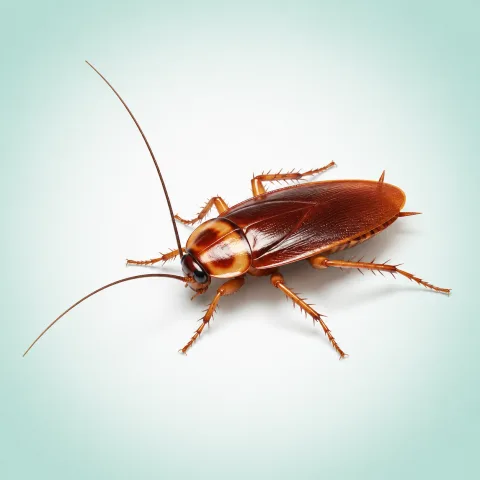
Same doors, different pest. The gaps that admit mice admit insects too. If big roaches appear in the same seasons through the same crawl space and garage routes, that problem is covered under Palmetto bug control, and sealing work often helps with both at once.
Contamination, gnawing and what rodents actually cost you
The main problem with rodents indoors is contamination, not bites. Mice and rats urinate and leave droppings along the routes they travel, from kitchen counters to the pantry shelves where they chew into food packaging. They can carry bacteria such as salmonella onto food-contact surfaces. Gnawing is the second cost: rodents chew constantly to wear down their teeth, and insulation, stored boxes, PVC and electrical wiring are all fair game. Chewed wiring is a genuine fire concern, which is why an established rodent problem is not one to leave for spring.
Rat trapping in Columbia: what a professional job actually looks like
Professional rat trapping in Columbia is a mapped, multi-visit process, not a trap dropped in the middle of the kitchen floor. Rats and mice run the same routes every night, along walls, sill plates and attic edges, and a technician reads the droppings, rub marks and gnawing the way you would read road signs. Traps go directly on those runs, because a rat that has to change course to find your trap usually will not bother.
- Snap traps in covered stations, set tight along the mapped routes in attics, crawl spaces and garages. The station keeps curious dogs, cats and kids away from the mechanism while the trap does its work.
- Bait matched to the animal. House mice go for peanut butter and nesting material; roof rats, the common attic rat in the Midlands, often prefer nuts and fruit. Wary rats sometimes get a few nights of baited, unset traps first, so the trap becomes furniture before it becomes a trap.
- Follow-up visits about a week apart to clear catches, reset and move traps as activity shifts. Most Columbia rat jobs take two or three visits to go quiet.
- No poison in the living space. A poisoned rat likes to die inside a wall void, and the smell keeps the memory alive for weeks. If rodenticide is used at all, it belongs outdoors in locked bait stations, never in the pantry.
Trapping clears the animals already inside. It does not close the door they walked through, which is the job of the exclusion work below, and the reason a trap-only service call tends to become an annual tradition.
Why exclusion beats trap-only control
Exclusion, sealing the entry points with materials rodents cannot chew through, is what separates a lasting fix from a repeating one. Trapping removes the animals already inside; exclusion stops the next ones. A trap-only approach in a Columbia home usually means catching mice again every fall, because the doorway never closed.
A professional rodent visit typically runs in this order:
- Inspection, following droppings, rub marks and gnawing to map where rodents enter, travel and nest.
- Trapping and removal, snap traps or stations placed on the mapped routes, with follow-up visits to clear and reset them.
- Exclusion, sealing entry points with steel wool, hardware cloth and metal flashing, and fitting door sweeps and vent covers where needed.
- Sanitation advice, storage and food-handling changes that make the house less worth breaking into.
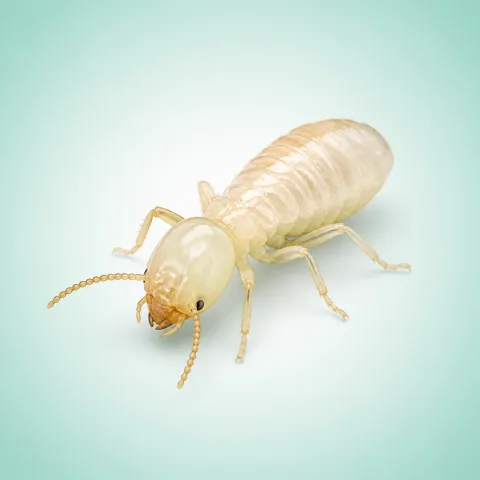
One more reason to close up the crawl space: unexplained wood damage down there deserves a check against the signs described under Termite control, since rodent gnawing and termite damage share the same dark places and are easy to confuse.
Humane, pet-safe rodent control: what is realistic
The most humane rodent control in a Columbia home is exclusion done early, because an animal that never gets in never has to be removed. After that, the honest ranking runs quick-kill traps first, poison last. A quality snap trap kills in an instant and leaves nothing toxic in the house; rodenticide means a slow death over days, plus a real risk of secondary poisoning for the owls, hawks and neighborhood pets that catch a slowed-down rat.
Live-catch trapping sounds kinder than it usually is. A roof rat released out in the country is dropped in unfamiliar territory with no food caches, no burrow and every local predator holding home-field advantage, and wildlife biologists are blunt about how that story tends to end. If you want a plan that is genuinely gentle, ask for poison-free service built on covered snap-trap stations plus sealing work, and say on the call that you have dogs or cats. Providers in the Columbia network field that request all the time, and tamper-resistant equipment placed out of a pet's reach is standard practice, not a special order.
What rodent control costs in Columbia
A one-time rodent service in the Columbia area typically runs from about $150 to $400, covering the inspection, trap placement and follow-up. Homes that want year-round coverage usually move to a quarterly plan at roughly $40 to $70 per visit. Exclusion work is priced separately after the inspection, since it depends on how many openings the house has.
| Service | Typical Columbia range | Notes |
|---|---|---|
| One-time service (inspection, trapping, follow-up) | $150 to $400 | Depends on home size and activity level |
| Quarterly maintenance | $40 to $70 / visit | Monitoring and re-baiting year round |
| Exclusion (sealing entry points) | Quoted after inspection | Priced per opening and access difficulty |
These are typical market ranges, not a quote. Your price is set by the local provider after an inspection.
For a line-by-line breakdown of those numbers, including what pushes a rat job to the top of the range and what the sealing work is worth on its own, see our Columbia rodent control cost guide.
How to get a Columbia rodent quote
Call the number on this page, describe what you are hearing or finding and where in the Midlands you are, and you get a price and a scheduling window on the call. Palmetto Pest Co is a free referral service that connects you with a licensed local provider covering your ZIP code; whether you book with them is entirely up to you, with no obligation either way. Pest control applicators in South Carolina are licensed through the Clemson University Department of Pesticide Regulation, and you can ask any provider for their license number before work begins. Same-day and 24/7 emergency services are subject to provider participation, location, technician availability, and demand. Availability is not guaranteed and may vary by market and appointment capacity.
Columbia rodent FAQ
Why do mice come into Columbia homes in the fall?
Mice and rats move indoors in Columbia when nights start to cool, usually from October onward, because a heated house offers warmth, food and nesting space that the outdoors no longer does. Activity often continues through winter, and a population that settles in will happily stay year round.
How much does rodent control cost in Columbia?
A one-time rodent service in the Columbia area, covering inspection, trap placement and follow-up, typically runs from about $150 to $400. Ongoing quarterly maintenance usually falls between $40 and $70 per visit. Exclusion work to seal entry points is quoted separately after the inspection. A quote on the call is free.
What is rodent exclusion and do I need it?
Exclusion means sealing the gaps rodents use to enter, with materials they cannot chew through, such as steel wool, hardware cloth and metal flashing. It matters because trapping removes the mice already inside while exclusion stops the next ones. Without it, a Columbia home that caught mice once usually catches them again.
Are mice in the house actually a health problem?
Yes, mainly through contamination rather than bites. Rodents leave droppings and urine along the routes they travel and in the pantry goods they chew open, and they can carry bacteria such as salmonella onto food-preparation surfaces. Gnawed wiring is a separate and real fire concern.
How do rodents get into Midlands homes?
The most common entry points in Columbia-area homes are gaps under garage doors, unscreened crawl-space vents, openings around pipes and AC lines, worn door sweeps and gaps where siding meets the foundation. A mouse fits through a hole the width of a dime, and a rat through one about the size of a quarter.
Is rat trapping humane?
A quality snap trap kills in an instant, which makes trapping plus exclusion the most humane realistic plan for a Columbia rat problem. It compares well against rodenticide, which kills slowly and can poison owls, hawks and pets that eat a dosed rat, and against live release, which usually ends badly for a rat dropped in unfamiliar territory. The kindest step of all is sealing the house so the next animal never gets in.
Can rodent control be done safely around dogs and cats?
Yes. A poison-free rodent plan built on covered snap-trap stations, placed in attics, crawl spaces and other spots pets cannot reach, plus exclusion sealing, is a standard request in Columbia. Mention your pets on the call and the provider builds the plan around them; tamper-resistant stations are normal equipment, not an upcharge exotic.