Fire ant mound treatment: what actually works in SC yards
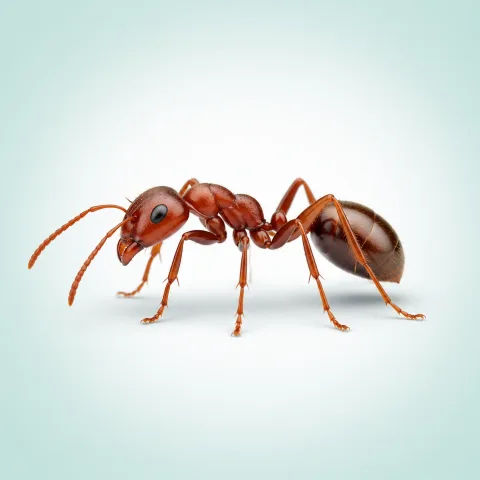
Fire ant mound treatment works in a South Carolina yard when you treat the whole lawn with bait first and the problem mounds second. That is Clemson Extension's two-step method, and it beats every kettle, shovel and bag of grits in the shed. Here is how to do it right in the Midlands, which remedies are a waste of a Saturday, and the point where a yard needs more than you can give it.
On this page
What happens if you leave fire ant mounds alone?
Fire ant mounds left alone in a Columbia yard do not fade away, they multiply, and the first person to find out is usually the smallest one in the house. Picture it. A July evening, the grass still warm, your kid running barefoot to catch the last lightning bugs. One foot lands on a soft dome of fluffy dirt you meant to deal with last week. For a second, nothing. Then the workers boil up the ankle, and they do not bite once and leave, they hang on and sting, over and over, dozens of them. By morning every sting has turned into a white pustule that itches for about a week.
That is the common outcome. For the small share of people allergic to the venom, fire ant stings can mean hives, a swelling throat and a trip to the ER, and you rarely know who that is until it happens. Meanwhile the colony keeps working. Clemson HGIC puts a single fire ant queen at 100,000 to 300,000 eggs a year for six or seven years, and mating flights lift off within about a day of a warm rain, with new queens flying as far as two or three miles. One day you notice the ants have moved into the air conditioner's outdoor unit. Texas A&M AgriLife Extension documents exactly this: ants get shocked across the electrical contacts, release an alarm scent, more ants pile in, and the dead bodies stop the switch from closing. Mid-August in Columbia, with a dead AC. Nobody wants that phone call.
What actually kills fire ant mounds: the two-step method
The two-step method is what actually kills fire ants across a Midlands yard, and Clemson HGIC lays it out plainly. Step one, broadcast a fire ant bait over the entire lawn while the ants are foraging. Step two, seven to ten days later, treat the individual mounds that still bother you, near the patio, the swing set, the mailbox. The bait does the heavy lifting. Workers carry it home and feed it through the colony to the queen, including colonies with no visible mound at all.
How well does bait work? Clemson HGIC reports that fire ant baits reduce populations by 85 to 95 percent in most research trials, regardless of brand or active ingredient. The catch is patience. Bait works over days to weeks, not minutes, which is exactly why people give up on it and go back to pouring stuff on mounds.
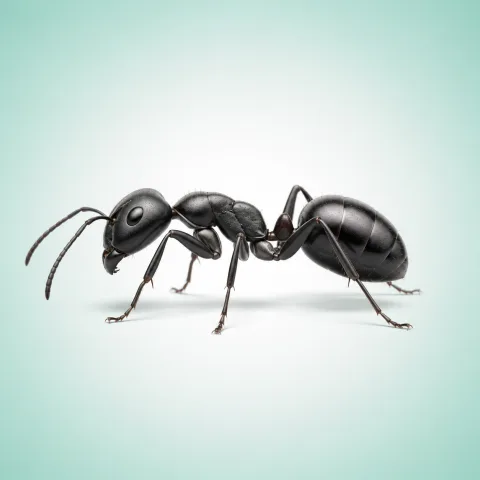
Before you buy anything, make sure it is fire ants. Fire ants are reddish-brown, build loose soil mounds in open sun with no center hole, and swarm hard when disturbed. Small dark ants trailing across your kitchen counter are a different problem with a different fix, covered on our Columbia ant control page.
DIY fire ant checklist for a Columbia yard
A DIY fire ant treatment in Columbia works best when you get the timing and the bait right, and most failures trace back to one of those two. This checklist follows the Clemson HGIC guidance:
- Buy fresh bait, and only what you need. Most baits use soybean oil as the attractant. Once it goes rancid the ants ignore it, so do not use the half bag from two summers ago.
- Check the soil temperature. Fire ants forage when surface soil is between 70 and 95 degrees Fahrenheit. In a Midlands summer that means evening, not noon.
- Run the potato chip test. Drop a little bait (or a chip) near a mound. If ants find it within 30 minutes, they are foraging and it is go time.
- Watch the sky. Bait needs a dry lawn and about 12 dry hours afterward, so skip it before a thunderstorm or before the sprinklers run.
- Spread it thin. Label rates are small, often one to one and a half pounds per acre, about 30 granules per square foot. A hand seeder on its lowest setting does the job.
- Leave the mounds alone after baiting. Kicking or raking a mound makes the colony relocate. Let the workers carry the bait home.
- Treat problem mounds a week to ten days later with a labeled mound product, following the label on whether it needs a water drench.
Want to hit one mound in a bare spot today? Texas A&M AgriLife Extension says two to three gallons of very hot or boiling water kills the colony about 60 percent of the time. It also cooks your grass and can splash you. Fine for a crack in the driveway. Not a yard plan.
Fire ant remedies that do not work
Grits, club soda, molasses, baking soda and vinegar do not kill fire ant colonies, whatever your uncle swears by. The grits myth is the best one: supposedly the ants eat them, the grits swell, and the ants pop. But Clemson HGIC explains that fire ant workers cannot eat solid food at all. They hand solids to the larvae, which liquefy them. So your breakfast becomes their breakfast. Texas A&M's extension entomologists list these remedies as ineffective. And please skip the gasoline trick your neighbor mentions, it is a fire hazard that poisons the soil you are trying to grow grass in.
When DIY is not enough for fire ants
DIY fire ant control stops being enough when the colonies are winning faster than you can bait, or when the stakes are higher than a lawn. These are the signs:
- New mounds keep popping up after two careful rounds of bait, often a sign of reinfestation from neighboring land.
- Mounds are in or against the AC unit, utility box, pool pump or foundation, where a DIY product can do damage or does not belong.
- Someone in the house has had a strong sting reaction, or you have a toddler, an elderly parent or a dog that spends real time on that grass.
- The lot is big or wooded at the edges, more than you can evenly bait with a hand seeder on a weeknight.
- You cannot tell what you are dealing with, or ants are showing up indoors as well as in the yard.
If two or more of those fit, the sensible next step is a call. Dial (866) 203-9397 and we connect you with a licensed local provider covering your ZIP code, who can price a whole-yard program on the phone, often combining bait with a longer-lasting granular product. There is no obligation to book. Same-day and 24/7 emergency services are subject to provider participation, location, technician availability, and demand. Availability is not guaranteed and may vary by market and appointment capacity.
What professional fire ant treatment costs in Columbia
A professional fire ant yard treatment in the Columbia area typically runs about $100 to $300 per visit for an average lot, and season-long programs commonly run $300 to $700 per year. These are typical market ranges, not a quote, and lot size moves the price more than anything. Our Columbia fire ant control page breaks down what a provider's program includes, and if you want fire ants folded into general service, see all Columbia pest services and costs.
One honest note on expectations. No fire ant treatment in South Carolina is permanent, because new queens fly in from next door every spring and fall. Clemson calls fire ant control a long-term commitment, and that is the right way to think about it. One or two good applications a year keeps a Columbia lawn usable. The goal is a yard where your kids can play barefoot again, not a yard with zero ants in the county.
And that goal is very reachable. Bait the right way, keep an eye out after rain, and most Midlands yards calm down within a few weeks.
Fire ant mound treatment FAQ
What is the best way to treat a fire ant mound?
The best way to treat fire ant mounds in a Columbia yard is the two-step method Clemson Extension recommends: broadcast a fresh fire ant bait across the whole lawn while the ants are foraging, then treat individual problem mounds seven to ten days later. Treating mounds alone misses the colonies you cannot see.
Does boiling water kill a fire ant mound?
Boiling water kills a fire ant colony only about 60 percent of the time, according to Texas A&M AgriLife Extension, and that takes two to three gallons of very hot water per mound. It also kills the grass it touches and can scald you if it splashes, so it suits one mound in a bare spot, not a whole yard.
Do grits kill fire ants?
Grits do not kill fire ants. Fire ant workers cannot eat solid food, so they carry grits to the larvae, which liquefy it, and the colony simply digests the meal. Texas A&M and other extension services list grits, club soda, molasses and baking soda among home remedies that do not work.
When should I put out fire ant bait in South Carolina?
Put out fire ant bait in South Carolina when the surface soil is between 70 and 95 degrees Fahrenheit and the ground is dry, with at least 12 dry hours ahead before rain or sprinklers, per Clemson HGIC. In summer that usually means evening, and a late summer or early fall application works well in the Midlands.