Mosquito season in the Midlands: yard control that helps
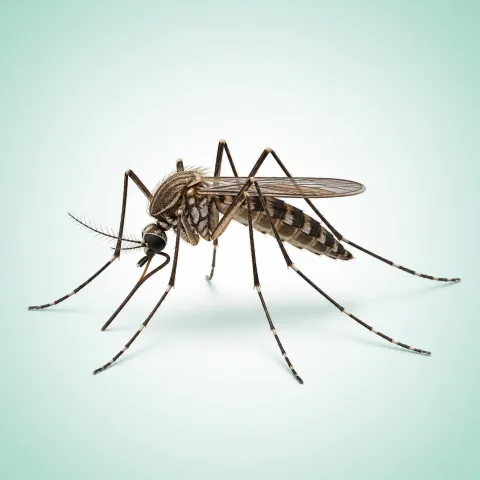
Mosquito season in the Midlands starts with the first warm spring rains and hangs on until real cold, and the yard control that actually helps is boring: empty and scrub every container weekly, treat the water you cannot dump, put a fan on the porch and wear repellent. Most mosquito gadgets do very little. The part that works is mostly free.
On this page
When is mosquito season in Columbia and the Midlands?
Mosquito season in Columbia has no official start date, because it follows warmth and standing water, not the calendar. The CDC says an Aedes egg becomes an adult mosquito in 7 to 10 days, and Clemson Extension's Home and Garden Information Center (HGIC) says water standing five days or more can already breed them. Some species need about a tablespoon. That is a bottle cap.
The mosquito that ruins Midlands afternoons is the Asian tiger mosquito, which Clemson HGIC calls the most common daytime biter in the Carolinas. It skips swamps and breeds in gutters, birdbaths, flower pots, tires, tarps and cans. So the problem is rarely the Congaree. It is your back steps.
Late September does not end the story. The CDC says Aedes eggs stick like glue to container walls just above the waterline and survive drying out for up to 8 months, so the bucket behind the shed is still loaded when spring rain refills it.
What a skipped mosquito season looks like in a Columbia yard
The worst case of letting a Midlands mosquito season run is not one ruined cookout. It is a summer handed over to the bugs, and sometimes a bill at the vet.
Picture a Saturday in July. It rained Tuesday, and the gutter over the back door never quite drained. You cannot see it from the ground, but by next weekend it will have raised its first batch. You light the grill at two in the afternoon, because tiger mosquitoes do not wait for dusk, and within a minute there is that thin whine at your ear and a welt swelling on your calf. The kids come in scratching. You eat inside again, while the new patio set you bought in April sits out there empty.
Then the part nobody posts about. The dog naps on the porch all summer. Clemson HGIC says the tiger mosquito spreads dog heartworm, and the American Heartworm Society says the larvae take about six months to become adult worms, so the diagnosis tends to land at a winter vet visit. South Carolina ranked in the society's top five states in its 2019 incidence survey. Once heartworm is confirmed, the society says activity must be restricted right away, because exertion speeds the damage to the heart and lungs. Your Lab, on crate rest, all January.
The rare but real piece: in early August 2026, Richland County Vector Control and the South Carolina Department of Public Health reported county mosquito samples positive for West Nile virus. DPH called the risk to the public low. Low is not zero.
Which yard mosquito tactics actually help?
The yard mosquito tactics that help are the ones that remove water, kill larvae or keep mosquitoes off your skin. The ones that fail mostly sell you a feeling. Here is how the popular options stack up against the research:
| Tactic | Verdict | What the evidence says |
|---|---|---|
| Empty and scrub containers weekly | Helps most | Clemson HGIC calls source reduction the least expensive and most effective control; scrub, because the CDC says eggs cling above the waterline |
| Bti dunks in water you cannot dump | Helps | Clemson HGIC says Bti kills the larvae and, used as directed, will not hurt children, pets or wildlife |
| A box fan on the porch | Helps | A Michigan State University study in the Journal of Medical Entomology (2003) found fan wind strongly cut mosquito catches, mostly by diluting the carbon dioxide they home in on |
| Repellent on skin | Helps | Clemson HGIC says the most effective DEET repellents contain 20 to 30 percent DEET; follow the label |
| Citronella candles | A little | University of Guelph field test (1996): about 42 percent fewer bites, while plain unscented candles managed about 24 percent |
| Bug zappers | Waste | University of Delaware (1996): of nearly 14,000 insects zapped, 31 were mosquitoes or biting gnats, 0.22 percent |
| Ultrasonic repellers | Waste | A Cochrane review of 10 field studies found no evidence they prevent bites |
| Night truck spraying | Limited for tiger mosquitoes | Clemson HGIC says night fogging often misses Asian tiger mosquitoes, which bite by day |
Honest opinion: the fan is the most underrated thirty dollars on that list, and the zapper is the most satisfying noise that accomplishes nothing. The Michigan State team actually recommended fan wind for protecting people and pets in the backyard.
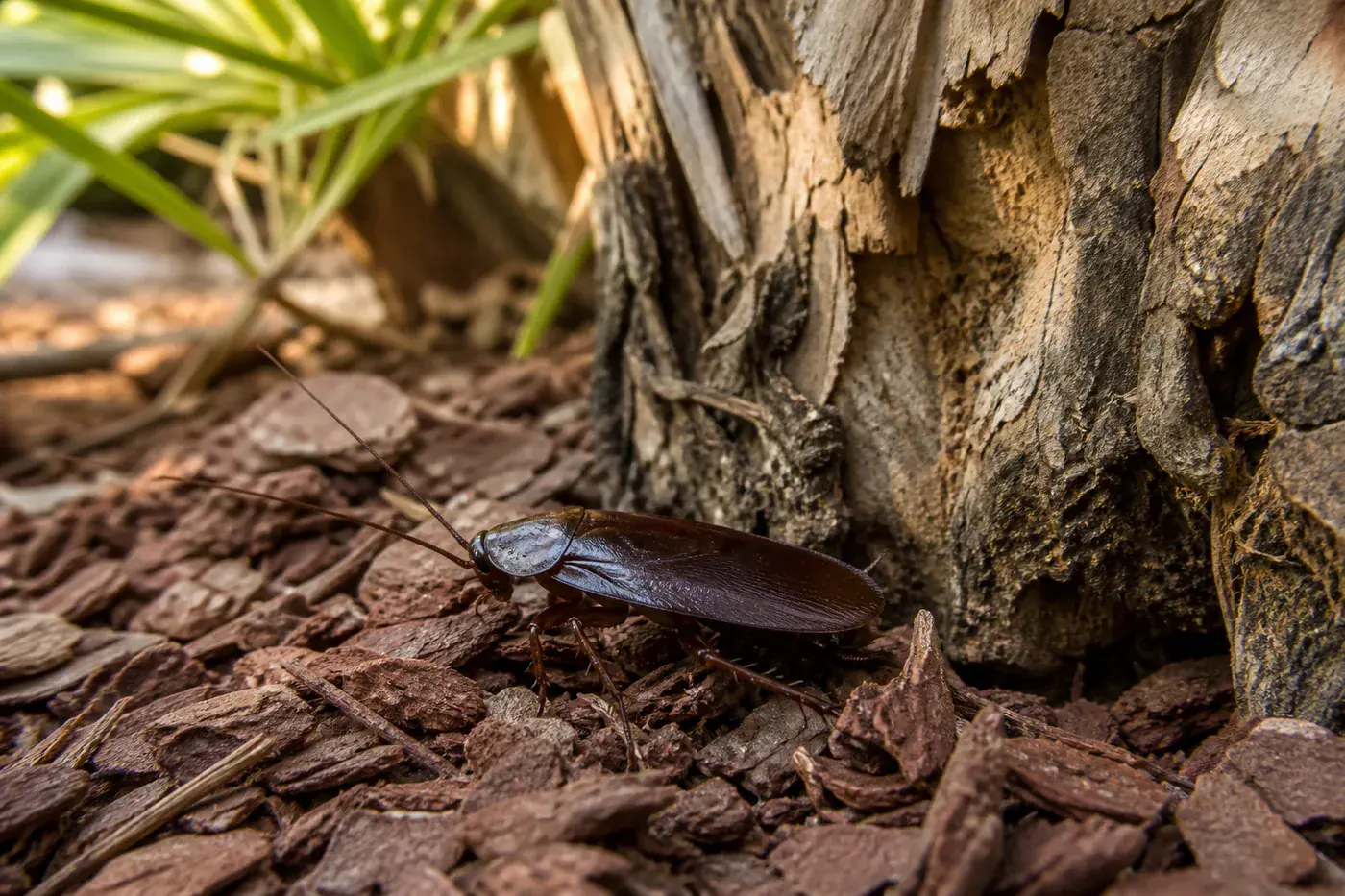
Shady, damp beds hide more than mosquitoes: that is a smokybrown, one of the roaches Columbia calls a palmetto bug.
Your weekly mosquito checklist for a Midlands yard
The mosquito checklist that works in a Midlands yard is a twenty-minute walk after every rain, every week from spring through fall, the same rhythm Clemson HGIC gives for washing birdbaths:
- Tip, flip and scrub saucers, buckets, toys, wheelbarrows, pet bowls and birdbaths. Brush the inside walls, because flipping alone leaves the glued-on eggs behind. Never just top off a birdbath.
- Clean the gutters and check corrugated downspout extensions, which hold water in every ridge.
- Pull tarps, grill covers and boat covers tight so rain cannot pool in the folds.
- Drill drainage holes in rotted tree spots that hold water, as Clemson suggests.
- Dunk what you cannot dump. Rain barrels, small ponds and the low corner that never dries get Bti, per the label.
- Protect the people: a porch fan, repellent at the grill, screens in good repair.
- Report the neighborhood problem. Richland County Vector Control takes mosquito complaints in summer through the county Ombudsman's office.
- Before winter, scrub and store containers upside down or under cover, as Clemson advises. April starts quieter.
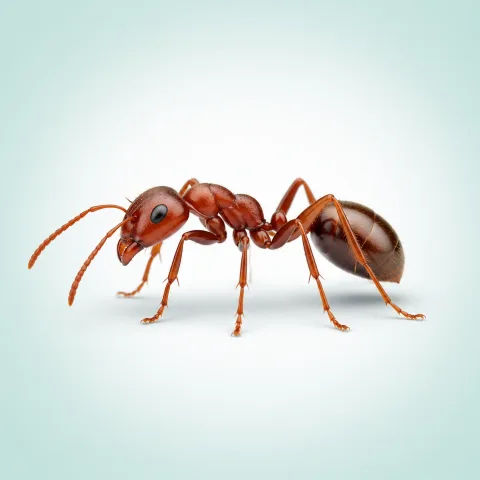
While you are out there, you will probably step around a fire ant mound or two; our fire ant mound treatment guide covers the two-step bait method.
When DIY is not enough: signs your yard needs a pro program
DIY mosquito control is not enough once you have walked the yard faithfully and it still bites, because the breeding site is out of reach or the adults are resting in cover you cannot treat. Clemson HGIC notes that one abandoned house or trash-filled yard can infest a whole neighborhood. Any of these puts you there:
- Three weekly walks in, you still get bitten within minutes in daylight.
- Water you cannot dump or safely treat, like a drainage ditch or a big pond. Clemson HGIC says large bodies of water are a job for professionals.
- Thick shade you cannot clear: ivy, dense shrubs, a wooded lot line.
- Someone at higher risk at home. The CDC says people over 60 and those with certain medical conditions are more likely to become seriously ill from West Nile virus.
- A date on the calendar, like a graduation party or a backyard wedding.
If that sounds like your yard, the sensible next step is a phone call, not another gadget. Call (866) 203-9397 and we connect you with a licensed local provider covering your Columbia or Midlands ZIP code, who can walk the property and quote a barrier and larvicide program. Palmetto Pest Co is a free referral service, with no obligation to book.
Same-day and 24/7 emergency services are subject to provider participation, location, technician availability, and demand. Availability is not guaranteed and may vary by market and appointment capacity. As a rough Columbia guide, a single barrier treatment commonly runs $60 to $120 and a spring-to-fall plan $350 to $700, typical market ranges, not a quote. Our mosquito control in Columbia page explains those programs, and the Columbia pest control cost overview puts them beside every other service. Ask any provider for their South Carolina pesticide applicator license.
The good news: fall is your mosquito head start
The good news about mosquito season in the Midlands is that the most effective control costs nothing, and late September is the right time to start. Every bucket you scrub and store dry now is a batch of eggs that never sees April. Columbia calls itself Famously Hot, and that is not changing. Famously itchy is optional.
Mosquito season FAQ
When is mosquito season in Columbia, SC?
Mosquito season in Columbia, SC has no fixed calendar; it runs from the first warm spring rains until steady cold weather. The CDC says Aedes mosquitoes go from egg to adult in 7 to 10 days, and their eggs can survive drying out for up to 8 months, so containers left out in fall can hatch a new batch when spring rain refills them.
Does Richland County mosquito spraying reach my backyard?
Richland County mosquito spraying helps the neighborhood, but it is not built for your backyard. Richland County Vector Control sprays adult mosquitoes at night based on surveillance data, and Clemson HGIC notes that night fogging often misses Asian tiger mosquitoes because they bite during the day. Emptying your own containers every week still does the most good.
Do bug zappers and citronella candles work on mosquitoes?
Bug zappers do almost nothing for mosquitoes, and citronella candles help only a little. A 1996 University of Delaware study found that just 0.22 percent of insects killed by zappers were mosquitoes or biting gnats. A University of Guelph field test published the same year found citronella candles cut bites by about 42 percent, while plain unscented candles managed about 24 percent.
Are mosquito dunks safe for kids and pets?
Mosquito dunks containing Bti are considered safe around kids and pets when used as directed. Clemson HGIC says Bti products applied properly will not hurt children, pets or wildlife, and they kill the mosquito larvae that feed on the bacteria. They are meant for small containers, tree holes and ponds; large bodies of water should be left to professionals.