One-time vs recurring pest control in SC: cost compared
A one-time pest control visit in Columbia typically runs $150 to $400, and a quarterly plan typically runs $40 to $70 per visit after a first service of $100 to $250. So which is cheaper? If you would call more than once a year, the plan usually wins. If your problem has a clear beginning and end, one visit is fine and nobody should talk you into a contract. The rest of this page is the math, the honest trade-offs, and the point where a spray bottle stops being enough.
On this page
One-time vs quarterly pest control: the first-year math in Columbia
A quarterly pest control plan in Columbia usually costs about the same as two one-time visits over a year, and it includes free re-treats in between. That is the whole comparison in one sentence. Here is how the typical market ranges add up:
| Option | Typical Columbia range | What you get |
|---|---|---|
| One-time treatment | $150 to $400 | Interior and exterior treatment, no follow-up visits |
| Two one-time calls in a year | $300 to $800 | What most people actually spend when the roaches come back in August |
| Quarterly plan, first visit | $100 to $250 | Initial knockdown, often discounted |
| Quarterly plan, each later visit | $40 to $70 | Exterior barrier every three months, re-treats between visits |
| Quarterly plan, first year total | $220 to $460 | First visit plus three maintenance visits |
These are typical market ranges, not a quote. Your price is set by the licensed local provider after seeing the home.
Palmetto Pest Co's read on the table: the plan is not magic, it is just prepaid. It pays off because Columbia never gets a winter cold enough to reset things, so most homes here do call again. For a service-by-service breakdown, the Columbia pest control cost page lists every specialty price too.
What a single spray and a long wait can cost your home
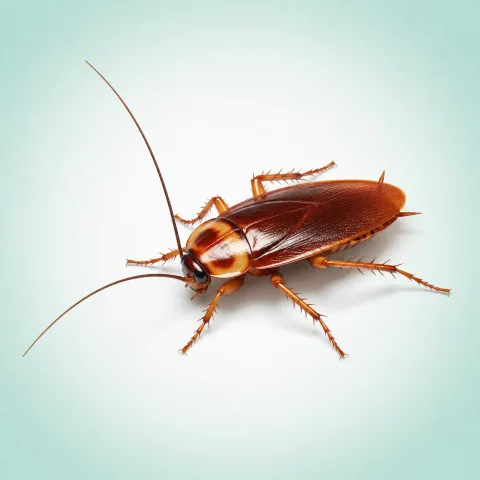
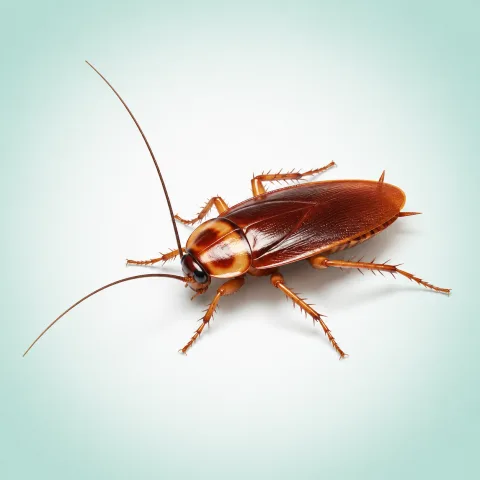
A one-time spray in Columbia knocks down what is there today and does nothing about what moves in next, and the worst version of that plays out quietly. Picture it. The exterior barrier wore off weeks ago. It is 2 a.m. in July, you walk into the kitchen for water, flick the light, and a two-inch palmetto bug is sitting on the counter next to the fruit bowl, antennae going. Clemson HGIC places smokybrown cockroaches in mulch, log piles, gutters and trees, especially palmettos, so the source never left your yard.
A German cockroach problem is worse, because it breeds indoors. Clemson HGIC notes each German cockroach egg case holds 30 to 40 eggs that hatch in about two weeks. You sprayed once in spring. By fall there are small tan roaches behind the dishwasher, inside the coffee maker, and scattering across the stovetop when you lift a pan. EPA lists cockroach droppings and body parts as an asthma trigger, particularly for kids.

Then there is the attic. The first cool night in October, you hear scratching above the bedroom ceiling. A mouse has found the gap where the cable line enters the siding, it is shredding insulation into a nest, and mice gnaw constantly, wiring included. None of this is exotic. It is just what a Midlands house does when nobody is maintaining the perimeter.
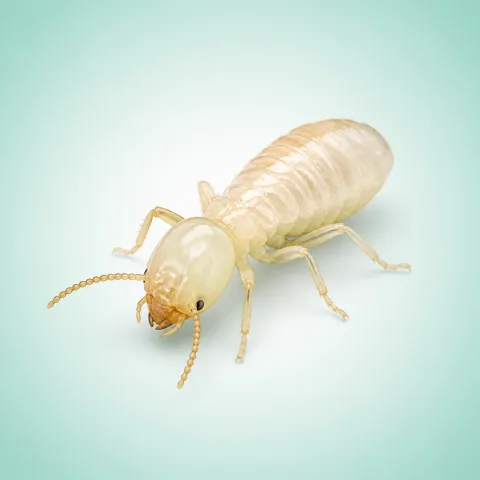
And the one that surprises people most: a standard quarterly plan does not cover termites. You can pay for pest control for five years while subterranean termites work up through a foundation wall. If that worries you, read the termite control guide for Columbia and ask for a separate inspection.
When one-time pest control is the right call
One-time pest control is the right choice in Columbia when the problem is a single event rather than a season. Honestly, a lot of calls are. Good fits for a single visit:
- A move-in clean-out of a house or apartment that sat empty for months.
- A wasp nest at the eaves or a single ant trail after heavy rain.
- A rental you are handing back or a house you are listing next month.
- A mild spring flare-up in a home that has been quiet for years.
If you catch yourself booking the same one-time spray every summer, that is a plan you are paying full price for.
What you can do yourself before paying for either
DIY pest prevention in Columbia is mostly about moisture, food and gaps, and it makes either option cheaper and longer lasting. Spend a Saturday on this list first:
- Pull mulch and pine straw back a few inches from the foundation, and move firewood off the house.
- Clean the gutters and fix any drip at the hose bib or AC line. Roaches love a damp foundation.
- Seal gaps. The Internet Center for Wildlife Damage Management notes house mice fit through openings about a quarter inch wide. Stuff gaps around pipes and cable lines with copper or steel mesh, then caulk.
- Add door sweeps to exterior doors, especially the garage door into the house.
- For roaches, use baits and a thin film of boric acid under the fridge, stove and sink, the approach Clemson HGIC recommends, instead of fogging.
- Trim shrubs and palmettos so they do not touch the siding or roof.
- Store pet food and pantry goods in sealed bins, and do not leave dishes overnight.
Our palmetto bug removal guide goes deeper on the outdoor work, which is where most of the win is.
When DIY is not enough
DIY pest control has reached its limit in Columbia when the pests are breeding inside, returning within weeks, or causing damage you cannot see. These signs mean your case is beyond self-treatment:
- Small tan roaches in daytime, in the kitchen or bathroom. That is a German cockroach population, and store sprays scatter it.
- Sightings back within two or three weeks of your own treatment and sealing.
- Droppings, gnawed wiring or shredded insulation in the attic or garage.
- Mud tubes on the foundation or winged insects indoors in spring, which point to termites.
- More than one pest at once, roaches plus ants plus spiders, which usually means the whole perimeter is open.
If two or more of those sound familiar, the sensible next step is a phone call rather than another aerosol can. Call (866) 203-9397 and we connect you with a licensed local provider who can quote both a one-time treatment and a quarterly plan on the same call, so you compare real numbers for your house. Same-day and 24/7 emergency services are subject to provider participation, location, technician availability, and demand. Availability is not guaranteed and may vary by market and appointment capacity.
How to choose between a one-time visit and a plan
Choosing between one-time and recurring pest control in Columbia comes down to one question: has this happened before? If yes, a quarterly plan is usually the cheaper, calmer option. If no, start with one visit and see. Before you sign any plan, ask three things: is it a twelve-month agreement, are re-treats between visits free, and which pests are excluded. And check that the provider holds a license from the Clemson University Department of Pesticide Regulation, which licenses pesticide applicators in South Carolina.
Here is the reassuring part. Most Columbia homes are not infested, they are just humid, green and surrounded by palmettos. A tidy perimeter plus the right level of service keeps the kitchen yours at 2 a.m. again.
One-time vs recurring pest control FAQ
Is a quarterly pest control plan cheaper than one-time visits in Columbia?
A quarterly plan in Columbia is usually cheaper over a full year if you would otherwise call more than once. A one-time visit typically runs $150 to $400, while a plan commonly costs $40 to $70 per visit after a first service of $100 to $250, so two one-time calls a year often cost more than a year of maintenance. These are typical market ranges, not a quote.
When does a one-time pest control treatment make sense?
A one-time treatment makes sense in Columbia when the problem has a clear start and end: a single ant trail after a rain, wasps at the eaves, a move-in clean-out of a vacant house, or a rental you are handing back. If the same pest keeps coming back every summer, a one-time visit tends to become a yearly habit that costs more than a plan.
Does a quarterly pest plan in Columbia cover termites?
A standard quarterly pest plan in Columbia does not cover termites. Termites, bed bugs, mosquitoes and wildlife are specialty services priced separately on nearly every plan, so a home can be on a general plan for years with no termite protection at all. Ask on the call exactly which pests are included.
Can I cancel a recurring pest control plan?
Many Columbia-area providers sell quarterly plans with an annual agreement, and cancellation terms vary by company. Before you sign, ask whether the plan is month to month or a twelve-month term, whether re-treats between visits are free, and what happens if you move. The licensed local provider sets these terms, not Palmetto Pest Co.