How to get rid of palmetto bugs in your Columbia home
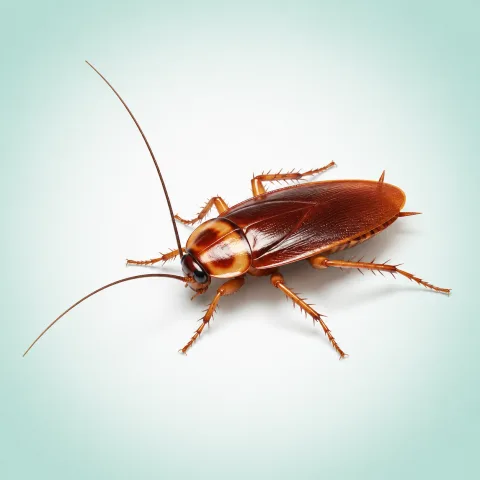
Getting rid of palmetto bugs in a Columbia home takes two jobs done together: closing the gaps they walk through, and drying out the habitat around your foundation that keeps producing them. Understand what that mulch bed against the house actually is: a nursery. The two-inch roach you just flattened in the bathroom has family out there, each egg case carrying more than a dozen young, and the Midlands crawl-space humidity keeps every one of them alive through winter. Kill the one on the wall if it makes you feel better. Then do the work below, because its replacement is already crossing the mulch.
On this page
The short answer
Palmetto bugs leave a Columbia home when you treat the outside of the house, not the inside of it. These are outdoor cockroaches. They breed in mulch, gutters, tree cavities and storm drains, then come in hunting water or because a Midlands thunderstorm flooded them out. Which means the baseboard spray most people reach for first is the step that matters least. The order that works:
- Dry the perimeter. Mulch pulled back, gutters cleared, roof water moving away from the foundation.
- Close the gaps. Door sweeps, vent screens, sealant where pipes and cables pass through the wall.
- Bait low and dark. Stations and gel in the corners and cabinets where roaches actually travel.
- Treat the harborage outside. The step homeowners skip, and the one that holds.
Do all four and sightings usually thin out inside a couple of weeks. Skip the outdoor half and you will be right back here in August, standing in the kitchen at one in the morning with a shoe.
Make sure it is actually a palmetto bug
A palmetto bug in Columbia is almost always one of two large outdoor cockroaches, and knowing which one changes where you put the effort. Clemson's Home and Garden Information Center notes that over 15 kinds of cockroaches are found in South Carolina, though only a few show up in houses. The American cockroach runs one and a half to two inches long, red brown, with a pale yellow marking behind the head. The smokybrown is smaller, one to one and a half inches, and a uniform dark brown with no pattern at all. Both fly. Yes, at you. Nobody in the Midlands is surprised by this anymore.
Here is the distinction that matters. A small roach, half an inch, tan, two dark stripes down its back, out in the kitchen in daylight, is a German cockroach and a completely different fight: they breed indoors next to your food, and no amount of yard work touches them. The big ones came from outside. The little ones came home in a bag.
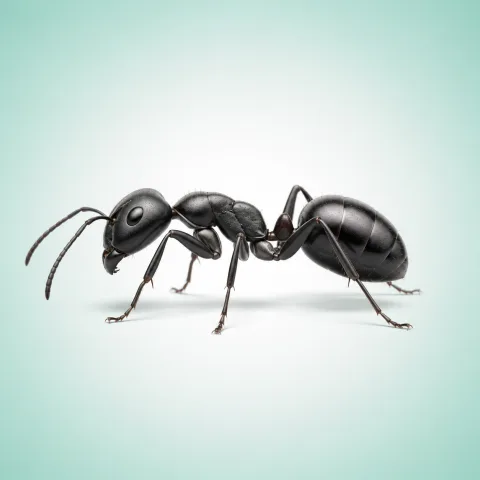
Scale check: household ants run a few millimeters. A palmetto bug approaches two inches. If it looks too big to be a roach, in Columbia it is still a roach.
Still not sure which roach you have? The side-by-side pictures in our palmetto bug vs cockroach guide settle it in ten seconds, and the answer decides which half of this plan applies to you.
Start outside, because that is where they live
The outdoor work does the heavy lifting against palmetto bugs, since the insect you met indoors was living in your yard a short time before. Clemson HGIC describes smokybrown cockroaches sheltering in mulch, log piles, thick vegetation and gutters, and American cockroaches favoring dark, moist, warm places, especially sewers, storage rooms and garbage areas. Walk a typical Forest Acres or Rosewood lot and you will find all of it: mulch shoved up against the brick, a gutter packed with oak litter, a crawl space that smells like a creek bank, firewood on bare ground by the shed.
- Pull mulch and pine straw back to a hand's width of bare soil against the foundation.
- Clean the gutters and extend downspouts so roof water lands away from the house.
- Trim limbs and shrubs off the roof and siding, because smokybrowns use them as bridges.
- Fix crawl space moisture: intact vapor barrier, working vents or encapsulation, no standing water.
- Get firewood, bricks and pots off the ground and away from the wall.
None of this feels like pest control. It is still the difference between a house that gets one wanderer a month and a house that gets one a night. To pin down which gap yours are using, match the room you keep finding them in against the table in our guide on why palmetto bugs come inside.
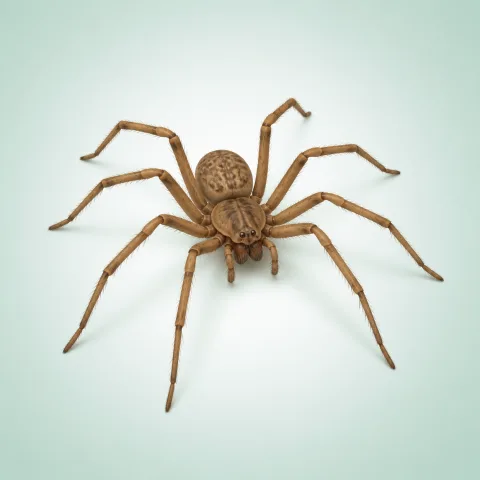
A damp crawl space rarely holds one species. Drying it out also thins out our Columbia spider control calls.
What to do indoors
Indoor palmetto bug work is bait and exclusion, not spray. Clemson HGIC recommends boric acid dust applied as a thin film in out of the way places, bait stations set in the corners where cockroaches hide, and liquid products limited to the cracks and crevices they actually live in. Thin film is the operative phrase. A visible ridge of dust is a ridge the roach walks around.
- Door sweeps on every exterior door, garage included. If you can see daylight at the bottom, a roach has a doorway.
- Bait stations at the back of cabinets, under sinks, behind the water heater and along the garage wall.
- Boric acid dust in wall voids, under the dishwasher and behind the fridge, laid so thin you can barely see it.
- Run water in guest bathrooms and floor drains monthly so the P-traps stay full. A dry trap is an open pipe from the sewer to your hallway.
- Skip the fogger. It scatters roaches deeper into wall voids and reaches nothing outdoors, where the problem lives.
One more reason not to let a population settle in: the EPA lists cockroach droppings and body parts among the indoor triggers that set off asthma symptoms. If anyone in the house has asthma, vacuum and wipe the spots where you found activity rather than leaving the debris there.
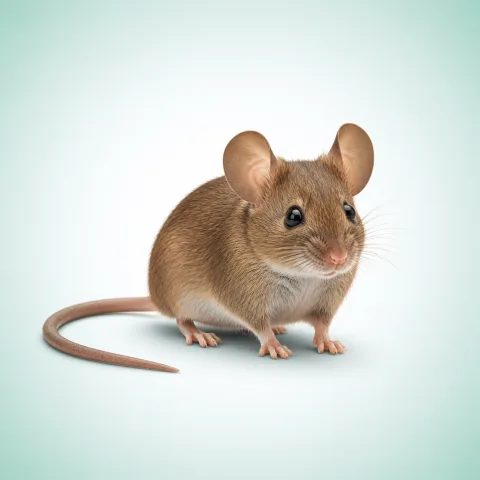
The worn door sweep that lets a palmetto bug in during July is the same one a mouse finds in November. Fix it once, solve two seasons.
The order to do it in
Sequencing matters with palmetto bugs, because baiting a house you have not sealed just feeds a rotating cast of new arrivals:
| Step | What you do | Why it works |
|---|---|---|
| 1. Dry the perimeter | Mulch pulled back, gutters cleared, downspouts extended | Removes the damp harborage that breeds them |
| 2. Close the gaps | Door sweeps, vent screens, sealant at pipe penetrations | Cuts the routes indoors, and stays cut |
| 3. Bait low and dark | Stations and gel in corners, cabinets, garage | Kills what is already inside without scattering it |
| 4. Treat outside | Granular bait in beds, residual at the foundation and weep holes | Hits the population at the source |
| 5. Hold the line | Monthly drain flush, quarterly exterior service | Midlands pressure never stops, so the barrier cannot either |
When to stop and call someone
Call a professional for palmetto bugs when you are seeing them indoors in daylight, several at a time, or in the same room week after week, because that pattern points to an established population rather than a single wanderer. Also call if the crawl space is the source. Treating and drying a crawl space is cramped, filthy work that is easy to do badly.
As a rough Columbia guide, a one time palmetto bug treatment commonly runs about $150 to $400, and quarterly plans that maintain the exterior barrier tend to run $40 to $70 a visit. Those are typical market ranges, not a quote. The local provider sets your actual price after seeing the home, and our breakdown of cockroach treatment cost in Columbia, SC shows what pushes a quote to the top of that range.
Palmetto Pest Co is a free referral service, not a pest control operator. Call the number on this page and we connect you with a licensed local provider covering your Columbia ZIP code, who gives you a price on the call, and you decide whether to book with no obligation either way. Same-day and 24/7 emergency services are subject to provider participation, location, technician availability, and demand. Availability is not guaranteed and may vary by market and appointment capacity. South Carolina licenses commercial pesticide applicators through the Clemson University Department of Pesticide Regulation, so ask any provider for a license number before work starts. For the full treatment and pricing breakdown see palmetto bug control in Columbia, or compare all Columbia services and costs.
Recognizing your situation in that list? Then the DIY window has probably closed, and every week adds to the bill. One call to (866) 203-9397 connects you with a licensed Columbia pro who gives you a real price for your case, free and with no obligation.
Columbia palmetto bug FAQ
How do I get rid of palmetto bugs fast?
The fastest honest route is bait and exclusion indoors plus treatment of the mulch, crawl space and foundation outside, done in the same week. Indoor sprays knock down the roaches you can see within minutes but change nothing about the outdoor population, so the sightings resume in days. Most Columbia homes notice a clear drop within one to two weeks once the outdoor work is done.
Does boric acid work on palmetto bugs?
Yes, when it goes down as a thin film in hidden places rather than a visible pile. Clemson's Home and Garden Information Center recommends boric acid dust in out of the way spots such as wall voids and under appliances, where roaches walk through it and groom it off themselves. A heaped white line on the floor just gets stepped around, and it is the most common way homeowners waste the product.
Why do I only see palmetto bugs at night?
Palmetto bugs forage at night, so the midnight bathroom sighting is ordinary behavior rather than proof of a heavy infestation. Daylight sightings are the ones worth acting on, because a roach out in the open in the afternoon usually means the harborage is crowded or something disturbed it.
Will one treatment get rid of palmetto bugs for good in Columbia?
No, and a company that promises it is overselling. The Midlands climate supports a permanent outdoor population of American and smokybrown cockroaches in mulch, trees, gutters and drains, so a single treatment lowers the pressure without removing the source. Ongoing exterior service, plus the moisture and gap work on your own house, is what keeps them out season after season.