Termite swarm season in South Carolina: what to watch for
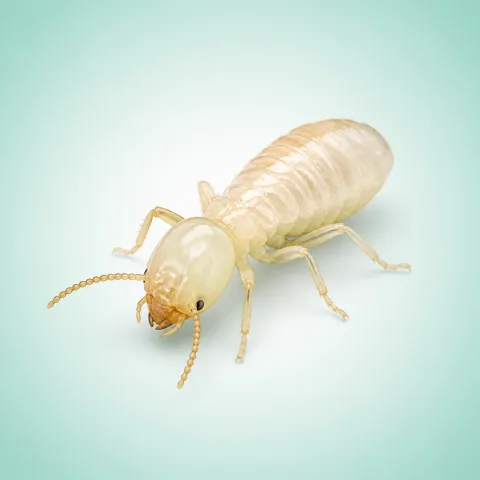
Termite swarm season in South Carolina runs from late winter into midsummer: native subterranean termites swarm in early spring, usually on a warm afternoon after rain, and Formosan termites from mid-May to July, at dusk, toward your porch light. A swarm in the yard is nature being nature. A swarm inside your Columbia house is a message.
On this page
When termites swarm in Columbia and the Midlands
Termites in the Midlands swarm on two schedules, and the time of day is your first clue to the species. Clemson Extension entomologist Eric Benson writes that native subterranean termites usually swarm in early spring, often in the afternoon, while Formosan termites swarm from mid-May to July, often in the evening, drawn to lights. Mississippi State University Extension puts the eastern subterranean window at February to April.
Rain pulls the trigger. NC State Extension says swarms usually come in the daytime, often after a nice rainstorm, so the classic Columbia swarm day is warm, still and steamy. No swarm by September is not an all-clear, though. NC State notes that colonies are active all year.
What a termite swarm tells you about your house
A termite swarm means a mature colony is nearby, and where it happens tells you whether that colony is eating your house. Clemson HGIC says South Carolina colonies usually swarm three to four or more years after settling in. Per Clemson, a swarm outdoors or a few strays inside is not proof of a structural infestation, but large numbers of swarmers or wings indoors often are. University of Kentucky entomologist Michael Potter goes further: winged termites indoors almost always mean an infestation that needs treatment.
One local wrinkle. Clemson lists Richland and Lexington among 16 South Carolina counties with established Formosan termites, whose colonies can top a million workers, against about 100,000 in a typical native colony.
What waiting costs you after the wings are swept up
The worst case of shrugging off a termite swarm is not the swarm. It is the quiet year after it.
A warm Tuesday in March, the air still sticky from last night's storm. You get home and the back bedroom window is crawling with small black insects, hundreds of them, climbing the glass and tumbling onto the sill. By dinner most are dead. You vacuum, a few papery wings glint on the sill like fish scales, and life moves on. That is the trap. Potter's Kentucky fact sheet says swarmers emerging indoors cannot damage wood and live about a day. They were never the threat.
The colony that sent them stays put. A few feet under the floor you sleep on, pale workers keep tunneling from the soil into the sill plate and up the studs, following the damp from a tub drain that has been weeping for a year, too quietly to hear over the air conditioner. Next spring the same window swarms again. Then you list the house, and the buyer's inspector writes up the CL-100, South Carolina's official wood infestation report on a Clemson Department of Pesticide Regulation form. Active termites. Damage behind the bathroom wall you repainted last fall. A closing date with a termite problem stapled to it.
Termite swarmer or flying ant? Check three things
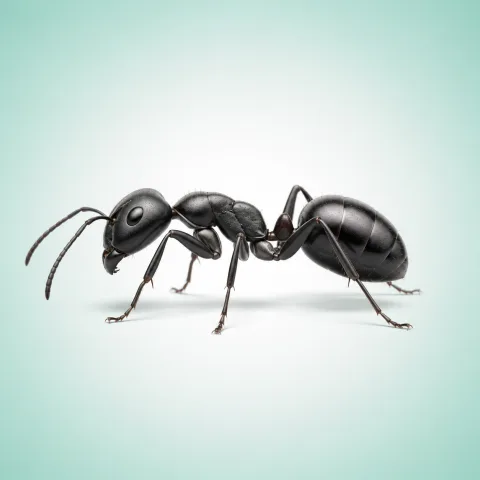
A termite swarmer and a flying ant differ in wings, waist and antennae, and a zoomed-in phone photo settles it. Clemson HGIC describes native swarmers as about 3/8 inch long and black, with four wings of equal length; swarming ants have front wings longer than the back pair. NC State adds that termites have a uniform, tube-like body and ants a pinched waist.
| What you see | Most likely | What it means for your house |
|---|---|---|
| Black, 3/8-inch fliers with four equal wings, indoors on a spring afternoon | Native subterranean termite swarm | A colony in or under the house; book an inspection |
| Swarmers circling the porch light on a May to July evening | Possibly Formosan termites | Get a sample identified, especially in Richland or Lexington County |
| Piles of shed wings on a sill, no insects in sight | A swarm that already happened | Treat it the same as seeing the swarm; save the wings |
| A swarm pouring out of a stump or woodpile in the yard | Termites in the landscape | Not proof the house is infested, says University of Kentucky Extension; check the foundation |
| Pinched waist, elbowed antennae, longer front wings | Flying ants | An ant problem, handled differently |
If the photo says ant, our ant control page for Columbia covers what comes next.
What to do the day termites swarm inside
The day termites swarm inside, your job is to collect evidence, clean up and find the source, not to fight the swarmers:
- Bag a sample, then vacuum. Save a dozen swarmers or wings in a zip-top bag for the inspector; Potter says a broom or vacuum handles the rest. Skip the bug spray. They die within a day anyway, and the colony never feels it.
- Mark the exit point. A window frame, a slab crack, a gap at the baseboard. Photograph it. That spot is the best lead an inspector gets.
- Evening swarm? Kill the porch light. Clemson says Formosan swarmers are drawn to lights.
- Walk the foundation with a flashlight for pencil-width mud tubes on the block, piers, chimney and crawl space.
- Dry things out. Clemson HGIC says mulch should never touch wood siding or door and window framing. Rake it back, clean the gutters, fix that drip under the sink.
- Take your time choosing a company. Benson tells South Carolina homeowners not to feel pressure to contract quickly, and Potter calls the damage from taking an extra day, week or month to decide generally inconsequential. The sign-today special can wait.
The full prevention list and what each treatment method costs are in our Columbia termite treatment cost guide.
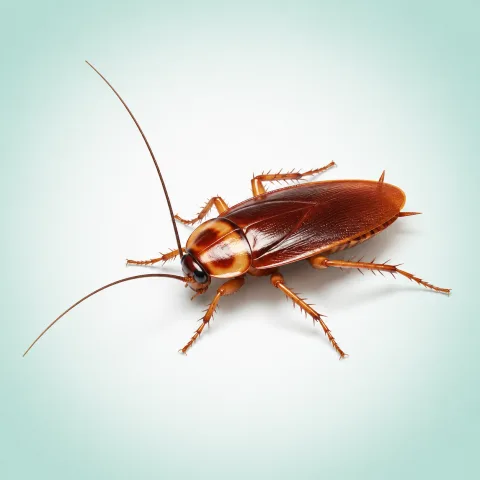
Rake the mulch off the siding and the palmetto bugs lose their favorite hideout too.
When DIY is not enough: five signs the colony is in the house
DIY is not enough once the evidence says the colony is feeding on your house, because Clemson HGIC says it is seldom possible for homeowners to inspect and self-treat without the proper equipment, training and knowledge. Any one of these puts you there:
- Swarmers indoors, more than a stray handful, or wings that keep turning up on the same sill.
- Mud tubes on the foundation, a pier, the chimney or an inside wall.
- Wood that sounds hollow, or a screwdriver that sinks into trim like cork.
- A repeat swarm from the same spot a year later.
- An evening swarm at the lights in Richland or Lexington County that nobody has ruled out as Formosan.
If one of those describes your house, the sensible next step is a phone call, not a panic. Call (866) 203-9397 and we connect you with a licensed local provider covering your Columbia or Midlands ZIP code, who can look at your sample and set up an inspection. Palmetto Pest Co is a free referral service, with no obligation to book.
Same-day and 24/7 emergency services are subject to provider participation, location, technician availability, and demand. Availability is not guaranteed and may vary by market and appointment capacity. As a rough Columbia guide, a liquid barrier treatment commonly runs $800 to $2,500 and a bait-station program $400 to $1,500 a year, typical market ranges, not a quote. Our termite control in Columbia page explains both methods; ask any provider for their South Carolina applicator license before work starts.
The good news about termite swarm season
Termite swarm season is the best early warning a Columbia homeowner gets, and it arrives while the damage is still slow. Swarmers cannot hurt wood, and Mississippi State University Extension says the ones trapped indoors cannot start a colony without moist soil. Spring here already hands you pollen on the windshield and a wall of humidity. A few wings on the sill is just the house asking for a checkup. Answer it, and next spring's swarm reports become somebody else's story.
Termite swarm season FAQ
When is termite swarm season in South Carolina?
Termite swarm season in South Carolina runs from early spring into July. Clemson Extension says native subterranean termites usually swarm in early spring, often in the afternoon, while Formosan termites swarm from mid-May to July, often in the evening and drawn to lights. NC State adds that swarms often follow a rainstorm.
Are termite swarmers hard to get rid of?
Termite swarmers themselves are easy to get rid of. University of Kentucky entomologist Michael Potter says swarmers emerging indoors cannot damage wood, live about a day and can be removed with a broom or vacuum. The hard part is the colony that produced them, which stays in the soil or the structure until it is treated.
Does a termite swarm mean my house has termites?
A termite swarm inside the house usually does mean an infestation. Clemson HGIC says a swarm outside or a few swarmers indoors does not prove a structural infestation, but large numbers of swarmers or their wings indoors often do. A swarm from a stump or woodpile in the yard is not proof on its own.
Can termite swarmers start a new colony inside my house?
Termite swarmers trapped inside a house cannot start a new colony there. Mississippi State University Extension says eastern subterranean swarmers indoors cannot reinfest because they cannot find the moist soil they need, and NC State notes they usually die from lack of moisture. The colony that sent them is the real concern.