Termite treatment cost in Columbia, SC: ranges by method
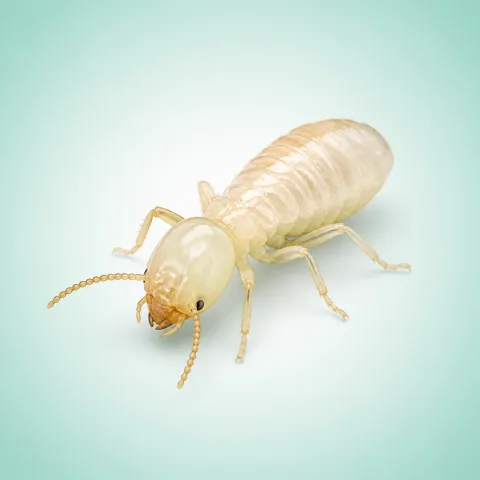
Termite treatment in Columbia usually costs $800 to $2,500 for a liquid barrier around the foundation, or $400 to $1,500 a year for a bait-station program. The inspection itself runs $0 to $150 and is often free when a treatment quote comes with it. Which end you land on depends on your foundation, the footage around it, and how long the termites have had the place to themselves.
On this page
Termite treatment cost in Columbia, SC by method
Termite treatment in Columbia comes in two main methods, a liquid soil barrier and in-ground bait stations, and they are billed differently. Liquid is a bigger bill once. Baits are a smaller bill every year.
| Service | Typical Columbia range | How it is billed |
|---|---|---|
| Termite inspection | $0 to $150 | Often free with a treatment quote |
| Liquid barrier treatment | $800 to $2,500 | One-time, priced by linear footage and foundation |
| Bait-station program | $400 to $1,500 / year | Annual, includes monitoring and refills |
| Renewal or bond | Ask in writing | Coverage and repair terms vary by contract |
These are typical market ranges, not a quote. Your price is set by the local provider after an inspection. On a newer house, check whether the builder's pretreat warranty is still alive before you buy anything; our Lexington pest control cost guide explains how those renewals lapse.
Clemson's Home and Garden Information Center explains the difference plainly: a liquid termiticide builds a zone in the soil that kills termites tunneling up to it, while bait stations leave no residual chemical in the soil but can reduce and even eliminate the colony. Our Columbia termite control page walks through both methods step by step.
What another year of waiting costs you, in wood
Termites left alone for another year do not announce themselves, they just keep eating, and the bill grows with every month of it. Clemson HGIC notes that in South Carolina a colony usually swarms only three to four or more years after it gets established. So the day you first see winged bugs, the colony is not new. It is old news.
Picture it. It is 2 a.m., the house is quiet except for the AC kicking on against another muggy Midlands night, and inside the wall behind your kid's headboard thousands of pale workers are chewing along the grain of a stud. No sound you would ever hear. No smell. Clemson HGIC says their mud shelter tubes often run up interior walls, porches and chimneys where nobody notices them. Then one warm April afternoon after a rain, the windowsill in the den is covered in wings. Or the vacuum nozzle punches straight through a baseboard that looked perfectly fine, and what is left behind the paint feels like damp cardboard.
One more local wrinkle. Clemson HGIC lists Richland and Lexington among 16 South Carolina counties with established Formosan subterranean termites, the species it calls potentially the most destructive in the state, with colonies that can hold several million workers. Not every neighborhood has them. But waiting to find out the hard way is the expensive version.
What moves a Columbia termite quote up or down
Your foundation and the length of wall around it move a Columbia termite quote more than anything else, because a liquid barrier is priced by the foot. After that, it comes down to:
- Slab or crawlspace. Slabs with patios and garages poured against them may need drilling, which adds labor. That is also where bait stations often make more sense.
- How far it has spread. Tubes on one pier is a different job than activity in three rooms.
- The species. Clemson HGIC says the same products and strategies used on native subterranean termites work on Formosans, but a bigger colony can mean more monitoring.
- The contract. Some agreements cover retreatment only, some add repairs. Read the current version before you sign or renew.
- Suspiciously cheap bids. Clemson HGIC warns that a price far out of line with others may mean low quality. I would take that one to heart.
Also check what you actually have. Winged swarmers and flying ants get mixed up constantly in Columbia every spring, and ant work is priced very differently from termite work.
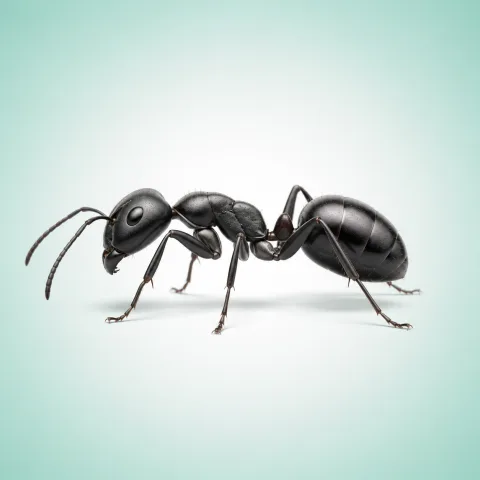
Pinched waist and bent antennae means ant. Straight antennae, thick waist and four equal wings means termite.
What you can do yourself this weekend
Termite prevention is the part of this job that genuinely belongs to you, and it costs a few hours plus maybe a load of gravel. Most of these come straight from Clemson HGIC's subterranean termite guidance.
- Pull the mulch back. Clemson HGIC says mulch should never touch wood siding or the framing of doors and windows. Rake it off the house and leave a bare strip.
- Thin the foundation shrubs. Dense growth against the wall traps moisture, which termites love. Trim it so air and sun reach the foundation.
- Break wood-to-soil contact. Steps, deck posts and lattice sitting right on the dirt are an open door. Set them on concrete or cut them back.
- Move the water. Clean the gutters, extend the downspouts and regrade low spots so water flows away from the house, not toward it.
- Get the firewood off the house. Stack it off the ground and well away from the walls.
- Walk the perimeter with a flashlight. Look for pencil-width mud tubes on the foundation, piers and chimney. Crawlspace too, if you can stand it.
- Bag a few swarmers. Winged insects inside? Save some in a sealed bag so the inspector can identify them fast. Our termite swarm season guide walks through the rest of that first afternoon.
What not to do: do not scrape off a mud tube, spray it with a hardware store can and call it handled. You killed the few foragers you could see. The colony is out in the yard, fine, and busy.
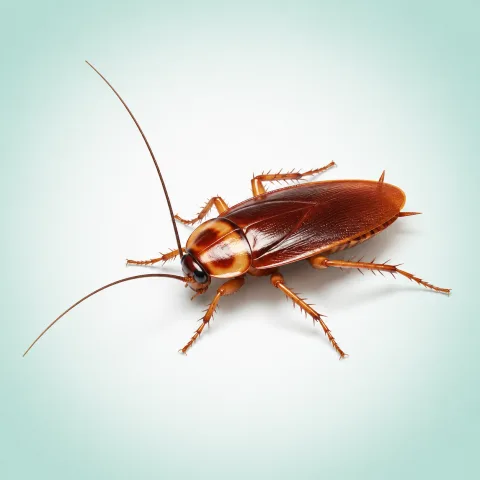
Bonus: drying out that mulch bed also evicts the palmetto bugs living in it.
When DIY is not enough: five signs it is time to call
DIY is not enough the moment you have evidence of live termites, because Clemson HGIC says homeowners can seldom inspect and self-treat a house without the proper equipment, training and knowledge. These five signs mean you are there:
- Mud tubes on the foundation, a pier, a chimney or an interior wall.
- A swarm indoors, or piles of equal-length wings on windowsills in spring.
- Hollow or papery wood in trim, door frames or subfloor.
- Floors or paint that blister or sag like water damage, with no leak to explain it.
- A slab or finished basement you cannot inspect, plus any of the signs above.
See one of those at your place? A phone call is the reasonable next move, nothing more dramatic than that. Call (866) 203-9397 and Palmetto Pest Co connects you with a licensed local provider covering your Columbia ZIP code, who can talk through your house and set up an inspection, free and with no obligation to book. Same-day and 24/7 emergency services are subject to provider participation, location, technician availability, and demand. Availability is not guaranteed and may vary by market and appointment capacity. Before any work starts, ask for the provider's South Carolina license, since the Clemson Department of Pesticide Regulation licenses commercial applicators here.
And take a breath. Termites are slow, steady eaters, not a weekend emergency, so you have time to get an inspection and compare written terms. Found early, most Columbia homes are one liquid treatment or one bait program away from being done with it. The rest of the local price list lives on the Columbia services and cost page.
Columbia termite cost FAQ
How much does termite treatment cost in Columbia, SC?
Termite treatment in Columbia typically runs $800 to $2,500 for a liquid barrier treatment and $400 to $1,500 a year for a bait-station program, while the inspection runs $0 to $150 and is often free with a treatment quote. House size, foundation type and how far the colony has spread set the final number. These are typical market ranges, not a quote.
Is liquid treatment or bait stations better for termites?
Neither termite method wins in every house. Clemson's Home and Garden Information Center describes liquid termiticide as a soil barrier that kills termites tunneling up to it, while bait stations leave no residual chemical in the soil but can reduce and even eliminate a colony. Liquid is usually a larger one-time bill; baits are billed yearly with monitoring, which suits slabs that are hard to drill.
Can I treat termites myself?
Treating an active termite infestation yourself rarely works. Clemson HGIC says it is seldom possible for homeowners to inspect and self-treat their own house without the proper equipment, training and knowledge, and the bait systems it describes use professional-only products. What you can do yourself is prevention: pull mulch off the siding, fix drainage and break wood-to-soil contact.
Are Formosan termites in Columbia, SC?
Formosan subterranean termites have been documented in both Richland and Lexington counties, according to Clemson HGIC, which lists 16 South Carolina counties with established infestations. That does not mean every Columbia neighborhood has them. Clemson calls Formosan termites potentially the most destructive species in the state, but says the same products and strategies used on native subterranean termites work on them.