Pest control in Lexington, South Carolina
Pest control in Lexington, SC means dealing with Lake Murray mosquitoes, fire ants in fast-growing subdivisions, palmetto bugs and subterranean termites, and licensed local providers cover every ZIP in town. This page covers what Lexington homes actually face, when each pest peaks, what treatment typically costs, and how the free call gets you a price in minutes.
The pests Lexington homes actually deal with
Lexington is the fast-growing suburb west of Columbia, wrapped around the southern shore of Lake Murray, and its pest pressure follows directly from that geography: water, new construction and warm Midlands humidity.
Lakeside mosquitoes and moisture pests
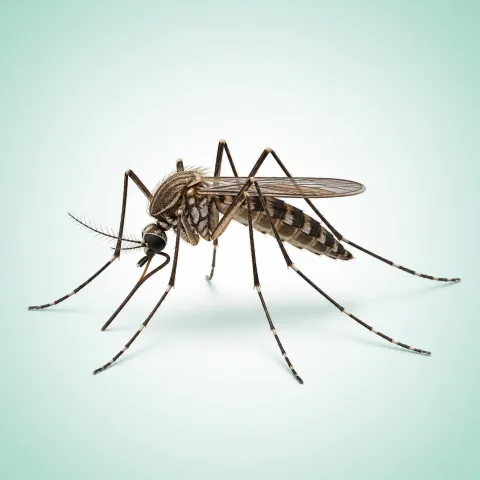
Mosquitoes are Lexington's signature complaint, because Lake Murray coves, retention ponds, irrigated lawns and the Twelve Mile Creek drainage keep standing water close to almost every neighborhood. Homes near the water in 29072 feel it from early spring, and the same moisture supports earwigs, millipedes and springtails around damp foundations.
Fire ants in new lawns
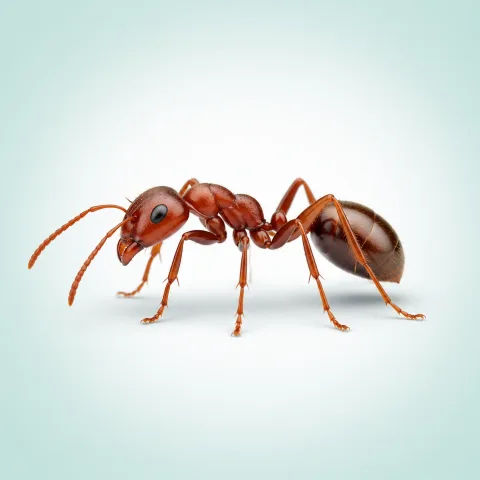
Fire ants thrive in the open, sunny, disturbed ground that new Lexington subdivisions create, and fresh sod goes from spotless to mound-dotted in a single season. Whole-yard baiting programs are the fix that lasts; treating mounds one by one just moves the colonies around a yard.
Palmetto bugs and termites
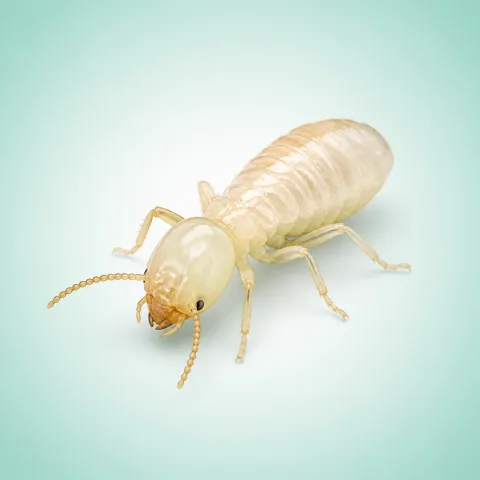
Palmetto bugs, the big American cockroaches covered in the Palmetto bug control, fly in from pine straw, mulch and trees all summer, in Lexington exactly as in Columbia. Subterranean termites are the quieter risk: new homes sit on freshly disturbed soil where colonies already live, builder pretreatments fade after several years, and buried construction scrap draws foragers to the foundation. The termite guide covers the warning signs, and a spring swarm near a Lexington slab is worth a call the same week.
Lexington pests season by season
- Spring: termite swarms on warm days after rain, fire ant mounds reappearing in lawns, first mosquitoes near the lake.
- Summer: peak mosquitoes, palmetto bugs flying indoors at night, ants trailing into kitchens, wasp nests under eaves.
- Fall: spiders webbing up porches, fire ants rebuilding after summer heat, rodents probing garages as nights cool.
- Winter: mice and rats indoors, and the quiet months when a termite inspection or an annual plan is easiest to schedule.
What pest control costs in Lexington
Lexington pricing tracks the wider Columbia market, with lake-adjacent mosquito work being the most locally distinctive line item:
| Service | Typical Lexington range | Notes |
|---|---|---|
| One-time general visit | $150 to $400 | Single pest issue |
| Quarterly plan | $40 to $70 / visit | Roaches, ants, spiders and more |
| Mosquito treatment | $60 to $120 / visit | Monthly, March into October |
| Fire ant yard program | $100 to $300 / year | Broadcast baiting, typical lot |
| Termite treatment | $800 to $2,500 | Liquid barrier; baits billed annually |
These are typical market ranges, not a quote. Your price is set by the local provider, and the full Columbia cost guide breaks down every service. If you want to know what each line actually buys, and how the builder's termite warranty on a newer Lexington house can lapse, read our Lexington pest control services and cost guide.
How it works in Lexington
Call the number on this page, say you are in Lexington and give your ZIP, 29072 or 29073, and you are connected with a licensed local provider that covers your part of town, whether that is near the lake, downtown by Main Street or out toward Red Bank. Describe the pest, get a price and a scheduling window on the call, and decide with no obligation. Palmetto Pest Co is a free referral service, not the company doing the treatment. Providers serving Lexington are licensed through the Clemson University Department of Pesticide Regulation, and you can verify any license with that office before work begins.
Nearby areas
The same network covers the rest of the Midlands. If you are across the river or closer to the city, see the local guides for West Columbia and Irmo, or the main Columbia services page for everything else, including Cayce and Blythewood.
Lexington pest control FAQ
How much does pest control cost in Lexington, SC?
Pest control in Lexington runs in the same range as the rest of the Columbia market: a one-time visit typically costs $150 to $400 and a quarterly plan typically runs $40 to $70 per visit, with termite treatment commonly $800 to $2,500 and mosquito service $60 to $120 per treatment. These are typical market ranges, not a quote; the licensed provider covering your ZIP sets the price on the call.
Why are mosquitoes so bad in Lexington?
Lexington sits against Lake Murray and the Twelve Mile Creek drainage, so standing water, irrigated lawns and lake-edge vegetation give mosquitoes constant breeding habitat through the long warm season. Neighborhoods near the water feel it most, and recurring yard treatments from roughly March into October are how most lakeside homes keep evenings usable.
Do new construction homes in Lexington get termites?
Yes. New subdivisions around Lexington are built on freshly disturbed soil where subterranean termite colonies already live, and construction debris buried near a foundation draws them in. Builder soil pretreatments fade after several years, so even a newer Lexington home benefits from a termite inspection and, if needed, a fresh liquid barrier or bait program.
How fast can someone come out in Lexington?
Scheduling in Lexington is usually quick because several licensed providers work ZIP codes 29072 and 29073, and many offer same-day appointments for urgent problems. Same-day and 24/7 emergency service is subject to provider participation, location, technician availability and demand, and is not guaranteed. Call, give your ZIP and you get a real scheduling window on the call.
Who licenses pest control companies in Lexington, SC?
Pest control applicators serving Lexington are licensed through the Clemson University Department of Pesticide Regulation, the state regulator for pesticide application in South Carolina. You can verify any company or applicator with that office before work begins, and it is a sensible step before signing a termite contract or a recurring plan.