Pest control in Lexington, SC: what each service costs and covers
Pest control in Lexington, SC typically costs $150 to $400 for a one-time visit or $40 to $70 per visit on a quarterly plan, and termite work is the line that can climb into four figures. That is the short answer. The useful one is what each service actually buys, which ones you can skip, and the termite paperwork that a lot of newer Lexington houses quietly let lapse.
On this page
What does each pest control service cost in Lexington, SC?
Pest control in Lexington, SC is priced service by service, and the ranges track the wider Columbia market. Your ZIP code does not move the number much. The size of the house, how it sits on the ground and how far the problem has spread do.
| Service | What you are paying for | Typical Lexington range |
|---|---|---|
| Inspection | A walk-through, often folded into a treatment quote | $0 to $150 |
| One-time general treatment | Inside and outside treatment for one problem, no follow-up visits | $150 to $400 |
| Quarterly plan, first visit | Initial knockdown for roaches, ants and spiders | $100 to $250 |
| Quarterly plan, each later visit | Exterior barrier every three months, re-treats between visits | $40 to $70 / visit |
| Mouse or rat job | Inspection, traps and follow-up visits; sealing is quoted separately | $150 to $400 |
| Mosquito yard treatment | Barrier treatment of shrubs and shady spots where adults rest | $60 to $120 / visit |
| Fire ant yard program | Broadcast baiting of the whole lot | $100 to $300 / year |
| Termite liquid barrier | Treated soil zone around the whole foundation | $800 to $2,500 |
| Termite bait program | Stations, monitoring and refills | $400 to $1,500 / year |
| Bed bug heat treatment | Whole-room heat treatment | $300 to $600 / room |
| Termite warranty renewal | Yearly inspection and continued coverage | Set by each company |
These are typical market ranges, not a quote; the licensed provider covering your ZIP sets the real price. The table is also available as a CSV file.
For most Lexington houses the smart setup is boring. A quarterly plan runs $220 to $460 for the first year, against $300 to $800 for the two one-time calls people tend to pay when the roaches come back in August. Our one-time vs recurring cost comparison does the math line by line.
Why one Lexington quote can be double another
Two Lexington pest control quotes can sit hundreds of dollars apart for honest reasons, and termite work shows it best. Under the standards of Clemson's Department of Pesticide Regulation (DPR), a crawl space with less than eight inches of clearance has to be dug out before treatment, while a slab gets drilled at expansion joints and plumbing. Same square footage, very different labor. A shady lot on a Lake Murray cove adds mosquito work, too.
Here is the part most people miss: DPR says it does not regulate what companies charge for termite treatments or contracts. Nobody caps the price. So get two or three bids, which DPR says are usually free, and compare the up-front cost, the yearly renewal fee and whether coverage transfers if you sell.
What waiting costs a Lexington homeowner
The worst realistic outcome of skipping pest control in Lexington is not a roach in the sink. It is termite damage you pay for yourself, found years too late.
Picture a six-year-old house in a subdivision off Corley Mill Road. The builder pretreated the soil, and South Carolina rules require a warranty on every residential pretreat: damage covered the first year, at least retreatment after that, renewable yearly for at least five years. DPR spells out the catch: the owner must pay each renewal, or the warranty and its transfer rights end. The renewal letter went to the first owner. Nobody paid it.
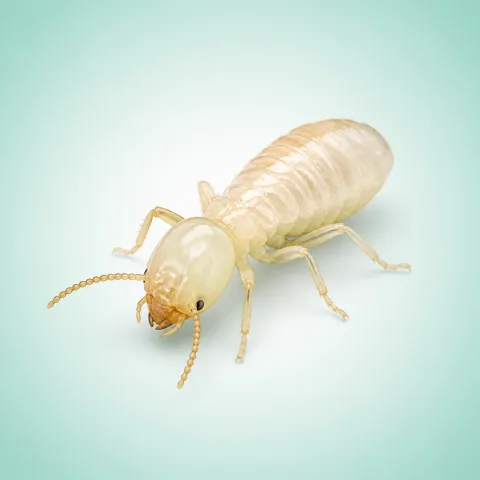
DPR says termites are almost always present in South Carolina soil, and Clemson's Home and Garden Information Center (HGIC) lists Lexington among 16 counties with established Formosan termites. So tonight, while you sleep, workers are climbing a plumbing line behind the shower wall into a stud you will never see. No sound. No smell. You find out three weeks before closing, when the buyer's inspector fills in the Wood Infestation Report, the CL-100, where DPR says any activity or damage must be reported by law. Then the second shoe drops: the Insurance Information Institute says standard homeowners policies do not cover termite infestation, because insurers treat it as maintenance. The repair is yours.
The other expensive one lives overhead. The University of California's integrated pest management program says rats in an attic can cause electrical sparks and fires with their gnawing, and they shred insulation for nests. It starts as soft scratching above the bedroom ceiling on a cold November night. You tell yourself the house is settling. It is not settling.
What you can do yourself before you pay anyone
Most pest prevention in a Lexington house is free or cheap, and the most valuable step costs one phone call. Work down this list:
- Find your termite paperwork. If the house is newer, ask the builder who did the pretreat, then ask that company whether the warranty is active and in your name. Clemson entomologist Eric Benson, writing for HGIC, also says to read your current bond and ask which termites it covers.
- Pull the pine straw back. Clemson HGIC says mulch should never touch wood siding or door and window framing, because it holds water and lets termites bridge over treated soil.
- Seal pencil-sized gaps. The CDC says a mouse fits through a pencil-width hole, about a quarter inch. Pack small holes with steel wool and caulk around it; UC IPM says a young rat can squeeze under a half-inch door gap, so fit a sweep to the garage door.
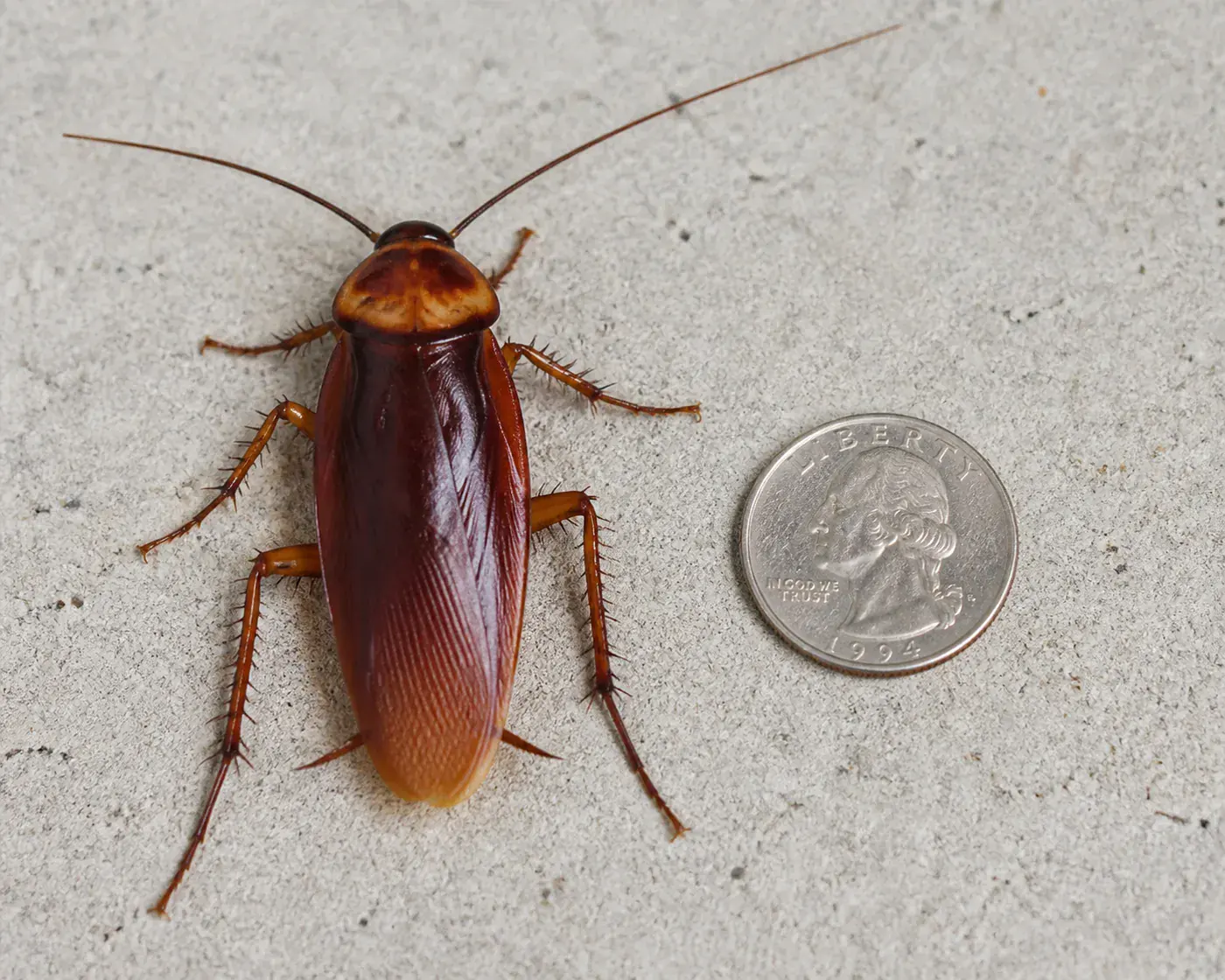
- Bait roaches instead of fogging them. Clemson HGIC recommends a thin film of boric acid under the fridge, stove and sink, with baits in corners. Sticky traps show you where they come from.
- Walk the yard after rain. Clemson HGIC says water standing five days can breed mosquitoes. Tip saucers, clean gutters, and treat what you cannot dump.
- Bait fire ants in two steps: broadcast bait across the whole yard, then treat the mounds that survive, the method Clemson HGIC recommends.
- Check the truck. DPR says a licensed company must show its yellow pesticide sticker, business license number, name and location on its vehicles.
When DIY is not enough in a Lexington house
DIY pest control stops being enough in Lexington once the problem lives inside the structure, where you cannot see it and store-bought products cannot reach. Call a pro if you see any of these:
- Mud tubes on the foundation, piers or garage wall, or winged insects swarming indoors.
- Scratching in the attic at night, droppings in the insulation, or chewed wire coating.
- Roaches in daylight, or small German roaches still in the kitchen two weeks after you started baiting.
- A lapsed or missing termite warranty, which means the yearly inspections DPR describes under an active contract have stopped.
- A pending sale or refinance, where DPR says lenders require a Wood Infestation Report from a pest management professional.
If that sounds like your house, the sensible next step is a phone call, not another can of spray. Call (866) 203-9397 and we connect you with a licensed local provider covering Lexington ZIP codes 29072 and 29073, who can inspect and price the job on the call. Palmetto Pest Co is a free referral service, with no obligation to book.
Same-day and 24/7 emergency services are subject to provider participation, location, technician availability, and demand. Availability is not guaranteed and may vary by market and appointment capacity. For the town's seasonal pests, see our Lexington pest control page; termite methods live on the termite control page, attic noises on the rodent control page.

The good news: most of the Lexington bill is optional
The good news about pest control in Lexington is that the expensive part is mostly avoidable, and the avoiding is cheap. DPR notes that annual termite retreatments are not necessary and are prohibited by many product labels, so an active warranty plus a yearly inspection is the whole game; if someone pitches a yearly termite re-spray, ask why. Keep the mulch back, seal the gaps, pay the renewal. The palmetto bug on the porch light can stay a story for the next cookout.
Lexington pest control cost FAQ
How much does pest control cost in Lexington, SC?
Pest control in Lexington, SC typically costs $150 to $400 for a one-time treatment, or $40 to $70 per visit on a quarterly plan after a first visit of $100 to $250. Termite work is priced separately, commonly $800 to $2,500 for a liquid barrier or $400 to $1,500 a year for a bait program. These are typical market ranges, not a quote; the licensed provider covering your ZIP sets the price.
Is $50 a month for pest control a lot in Lexington?
For a general pest plan in Lexington, $50 a month is on the high side. A quarterly plan at the typical $40 to $70 per visit works out to $160 to $280 a year once the first visit is behind you, roughly $13 to $23 a month. Fifty dollars a month can still be fair if it bundles mosquito service or a termite warranty, so ask what the price covers. These are typical market ranges, not a quote.
What is a termite bond in South Carolina?
A termite bond in South Carolina is a renewable termite contract with a pest control company, and it comes in two kinds: retreatment only, or retreatment plus repair of new termite damage. Clemson's Department of Pesticide Regulation says contracts are usually written for five to 10 years, the most useful ones cover repair, and the yearly renewal fee pays for an annual inspection and continued coverage.
Does a new house in Lexington still need termite protection?
A new house in Lexington still needs termite protection, because the builder's pretreat warranty only lasts while someone pays for it. South Carolina rules require that warranty to cover damage for the first year and at least retreatment after that, renewable yearly for at least five years. Clemson's Department of Pesticide Regulation says the owner must pay each renewal, or the warranty and its transfer rights end.