Why palmetto bugs come inside (and how to stop them)
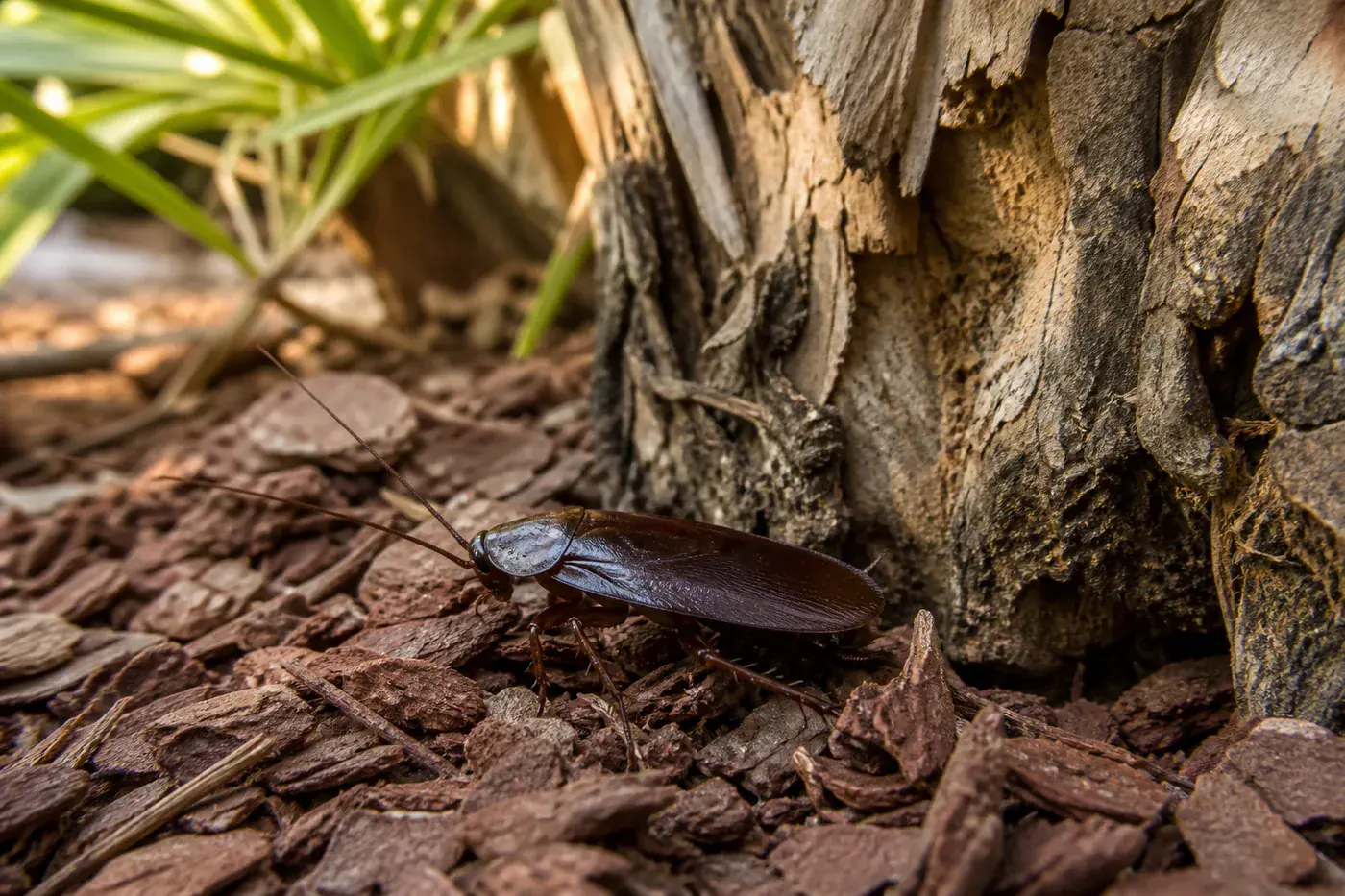
Palmetto bugs come inside a Columbia house for water, for shelter from bad weather, or because the drain or mulch bed they live in just flooded. Not because your kitchen is dirty. Work out which one pushed yours indoors and you will know which door it used, and closing that door beats anything on the spray aisle.
On this page
The four reasons palmetto bugs come inside
Palmetto bugs come inside for four reasons, and three are weather. University of Florida IFAS entomologists describe the American cockroach as an outdoor insect that wanders indoors for food and water or to escape extreme weather.
- Heavy rain. UF/IFAS notes that American cockroaches are rarely found in houses, but infestations can occur after heavy rain. A Midlands thunderstorm floods their drains and mulch, and they climb for the nearest dry spot. Often your laundry room.
- Drought. NC State extension entomologist Christopher Hayes put it plainly: in a drought a cockroach needs water, and our homes are a great place to find it.
- Temperature swings. The first chilly fall nights and the worst of August both push them toward a crawl space or wall void.
- An open route. UF/IFAS describes them moving in from sewers through the plumbing, and from trees that touch the house or hang over the roof.
Dirty dishes are not on the list. Crumbs help a roach stay, but they rarely explain why it came.
What happens if you shrug off the first one
The real worst case of ignoring palmetto bugs is a slow slide from one visitor to a house they treat as base camp. Picture it.
The first one came up the guest shower drain, unused since your in-laws left at Easter, so the trap dried out and the pipe now opens onto the sewer, where UF/IFAS researchers have counted more than 5,000 American cockroaches in a single manhole. Weeks later you pad into the kitchen at 2 a.m., flip the light, and hear it first: the dry scrabble of legs beside the fruit bowl, then a two-inch shape sliding under the toaster. UF/IFAS lists at least 22 species of disease-causing bacteria, viruses, fungi and protozoa isolated from field-collected American cockroaches.
Behind the dishwasher, a female can glue down an egg case about once a month, roughly 16 eggs each. The EPA counts cockroach droppings among indoor asthma triggers, which matters if a child down the hall already wheezes. And on a warm July evening, Clemson Extension notes, the adults may fly. Everyone in Columbia has that story. Nobody needs a second one.
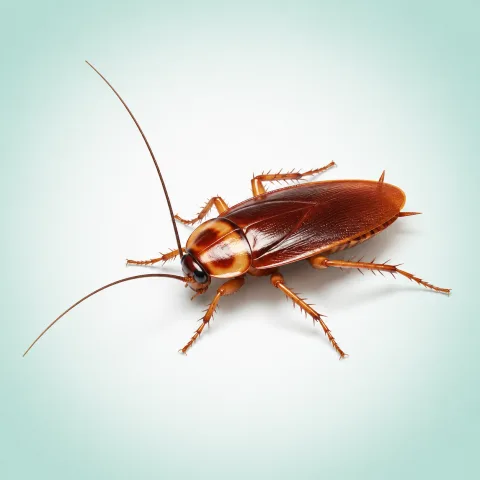
Where palmetto bugs get in: read the room you find them in
Where you keep finding palmetto bugs usually tells you how they got in. Texas A&M AgriLife Extension entomologists say the big outdoor roaches mostly enter through poorly sealed doors, roof soffits and floor drains.
| Where you keep seeing them | Most likely way in | What closes it |
|---|---|---|
| Tub, shower, laundry or floor drain | A dry P-trap open to the sewer line | Run water in every little-used drain weekly |
| By an exterior door or in the garage | A worn door sweep or garage door seal | New sweep or bottom seal, no daylight showing |
| Upstairs rooms, closets, ceilings | Unscreened soffit vents, limbs touching the roof | Screen the soffits, cut limbs back off the roof |
| Under the kitchen or bathroom sink | Gaps where pipes pass through the wall | Sealant or escutcheon plates around each pipe |
| Everywhere at once, right after a storm | Flooded drains, sewers and mulch | Mostly temporary: check the drains, bait the entries |
One more clue from Clemson Extension: American cockroaches tend to stay on the basement and first floor, while smokybrowns turn up anywhere from attic to crawl space. Upstairs sightings point at the roofline.
Closing the doors yourself: a weekend checklist
You can close most palmetto bug entry points in a weekend with a flashlight, a caulk gun and one hardware-store run:
- Find the door. Set sticky cards by exterior doors, behind the washer and under the stove and fridge, as Texas A&M suggests. After a week, the fullest card points at the entry.
- Refill the traps. Pour water down every little-used drain weekly. Texas A&M advises keeping P-traps full, since that water is the barrier between the sewer and your house.
- Seal the door bottoms. If daylight shows under a door, so can a roach. Garage doors count.
- Screen the soffits and trim the trees. Smokybrowns use a live oak branch resting on the roof like a gangway.
- Remove water, bait outside. Fix drips, empty pet bowls at night (your dog will survive until breakfast), and sprinkle granular bait lightly in mulched beds per the label, another Texas A&M suggestion, instead of spraying baseboards.
The full elimination plan, crawl space included, is in our guide on how to get rid of palmetto bugs. If your roach is small, tan and striped, check the palmetto bug vs cockroach guide first: that is a German cockroach, and door-sealing will not touch it.

When DIY is not enough
DIY stops being enough once the signs say palmetto bugs live in your house rather than visit it. Any one of these moves your case past a weekend project:
- Daylight sightings, or several at once. A roach out in the afternoon usually means a crowded hiding spot.
- Egg cases. UF/IFAS describes brown, purse-shaped capsules about a third of an inch long. Indoors, they mean breeding indoors.
- Sightings three weeks after you sealed the drains, doors and soffits, which means an entry you cannot reach.
- A crawl-space or attic source. Cramped, filthy work, and doing it halfway just moves them to another room.
- Asthma or roach allergies at home, where every week of droppings counts.
If that sounds like your house, the sensible next step is a phone call. Call (866) 203-9397 and we connect you with a licensed local provider covering your Columbia or Midlands ZIP code, who can tell you on the call what the fix involves. Palmetto Pest Co is a free referral service, and there is no obligation to book.
Same-day and 24/7 emergency services are subject to provider participation, location, technician availability, and demand. Availability is not guaranteed and may vary by market and appointment capacity. As a rough Columbia guide, a one-time palmetto bug treatment commonly runs $150 to $400, and quarterly plans $40 to $70 a visit, typical market ranges, not a quote. Our Columbia cockroach treatment cost guide explains what moves the price, and palmetto bug control in Columbia covers the service itself.
The good news: most palmetto bugs are visitors
Most palmetto bugs in a Columbia house are visitors, not residents, and visitors stop coming when the doors close. They grow slowly too: UF/IFAS puts American cockroach development from egg to adult at about 600 days. Columbia calls itself Famously Hot, and the roaches took it personally. Refill the drains, seal the doors, trim the trees, and last night's visitor may be the last you see this season.
Palmetto bugs indoors: FAQ
Does one palmetto bug in the house mean an infestation?
One palmetto bug usually means a visitor, not an infestation. UF/IFAS notes that American cockroaches are rarely found in houses except after heavy rain, so one roach at night after a storm is normal in Columbia. Daytime sightings, several at once or indoor egg cases point to a population.
Why do I suddenly have so many palmetto bugs?
A sudden jump in palmetto bugs is usually the weather. Heavy rain floods them out of sewers and mulch, and drought sends them indoors for water, the two extremes NC State entomologist Christopher Hayes links to roaches moving in. If sightings outlast the weather by two weeks, look for a population inside.
Why are palmetto bugs in my bathroom?
Palmetto bugs end up in bathrooms because that is where the water and drains are. Texas A&M AgriLife Extension says American cockroaches commonly enter buildings through floor drains, and UF/IFAS notes they rest near pipes, sinks and toilets. Running water in little-used drains weekly keeps the traps sealed.
Do palmetto bugs lay eggs in your house?
Palmetto bugs can lay eggs indoors if they stay. UF/IFAS reports that an American cockroach female produces about one egg case a month for ten months, around 16 eggs each, usually near food. Finding those brown, purse-shaped cases inside means roaches live there.